onsite IT support
October 30, 2026 | 13 min
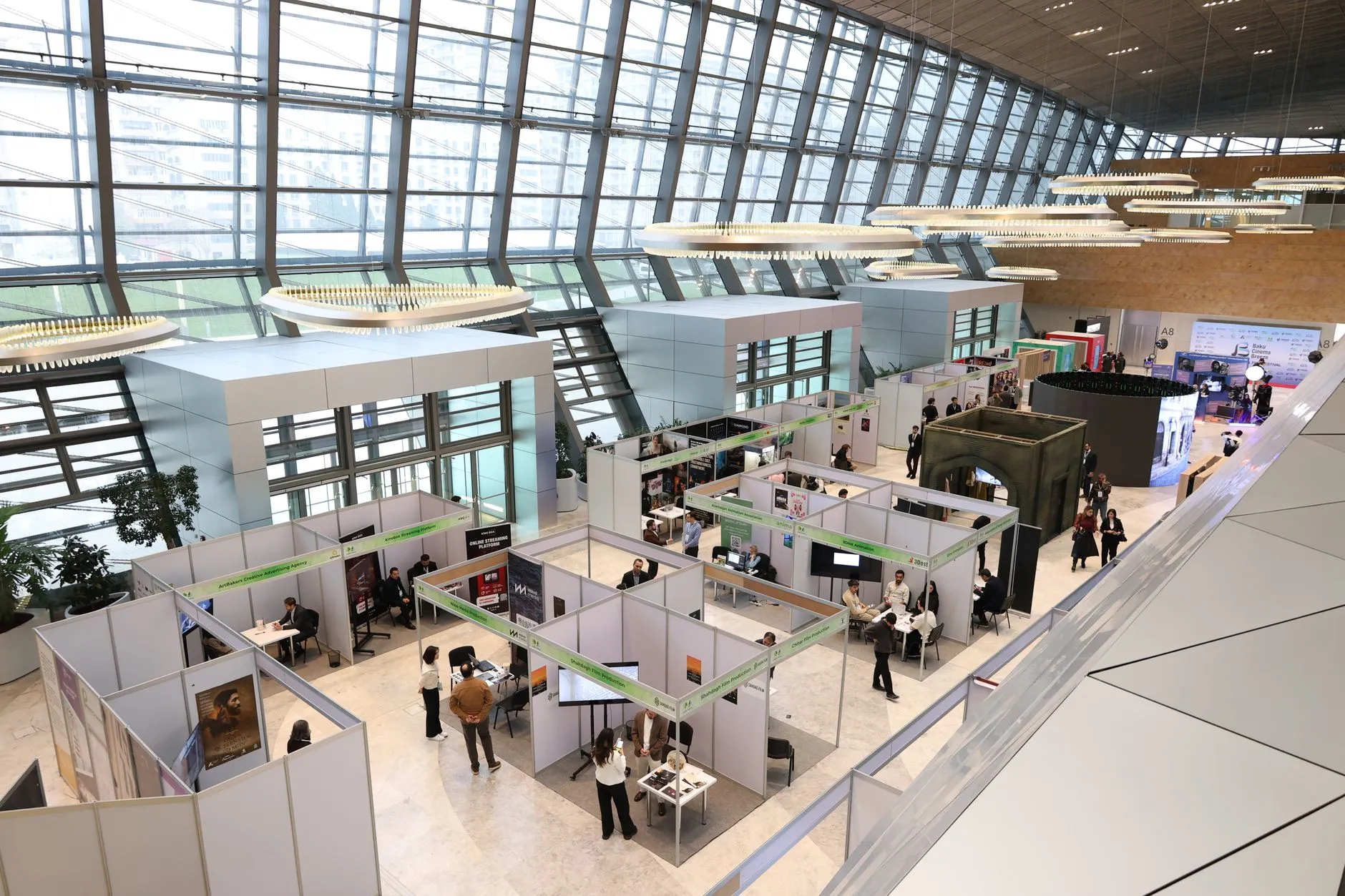
Event IT Support in Hong Kong: Trade Fair & Pop-Up Setup, Teardown and Onsite Cover (2026)
How a Hong Kong brand runs IT for a trade-fair booth or pop-up store: venue lead times, payments and POS, demo devices and lead capture, the bump-in plan, onsite cover at Brocent's published Hong Kong rates, and teardown.

October 29, 2026 | 14 min
Managed IT Support in Kuala Lumpur: Providers, Scope & New-Office Setup (2026)
What a Hong Kong company opening a 40-seat Kuala Lumpur office needs on day one, how to split work between head office and a local partner, Brocent's published Malaysia dispatch and FTE rates with break-even arithmetic, and how to compare providers.

October 28, 2026 | 12 min
Onsite IT Support in Tokyo: Dispatch Rates, FTE Options & Lead Times (2026)
How a Hong Kong integrator subcontracts onsite IT support for retail stores in Tokyo: published Japan dispatch and FTE rates, break-even arithmetic, SLA tiers, white-label and spares points, and a statement-of-work checklist.

October 28, 2026 | 20 min
Who Actually Delivers Your IT in Asia? The Subcontracting Layer Behind a Regional Coverage Map
Does my IT provider subcontract? What a coverage-map pin can mean, why no census exists, and the questions that show who actually delivers IT in Asia.
October 22, 2026 | 12 min
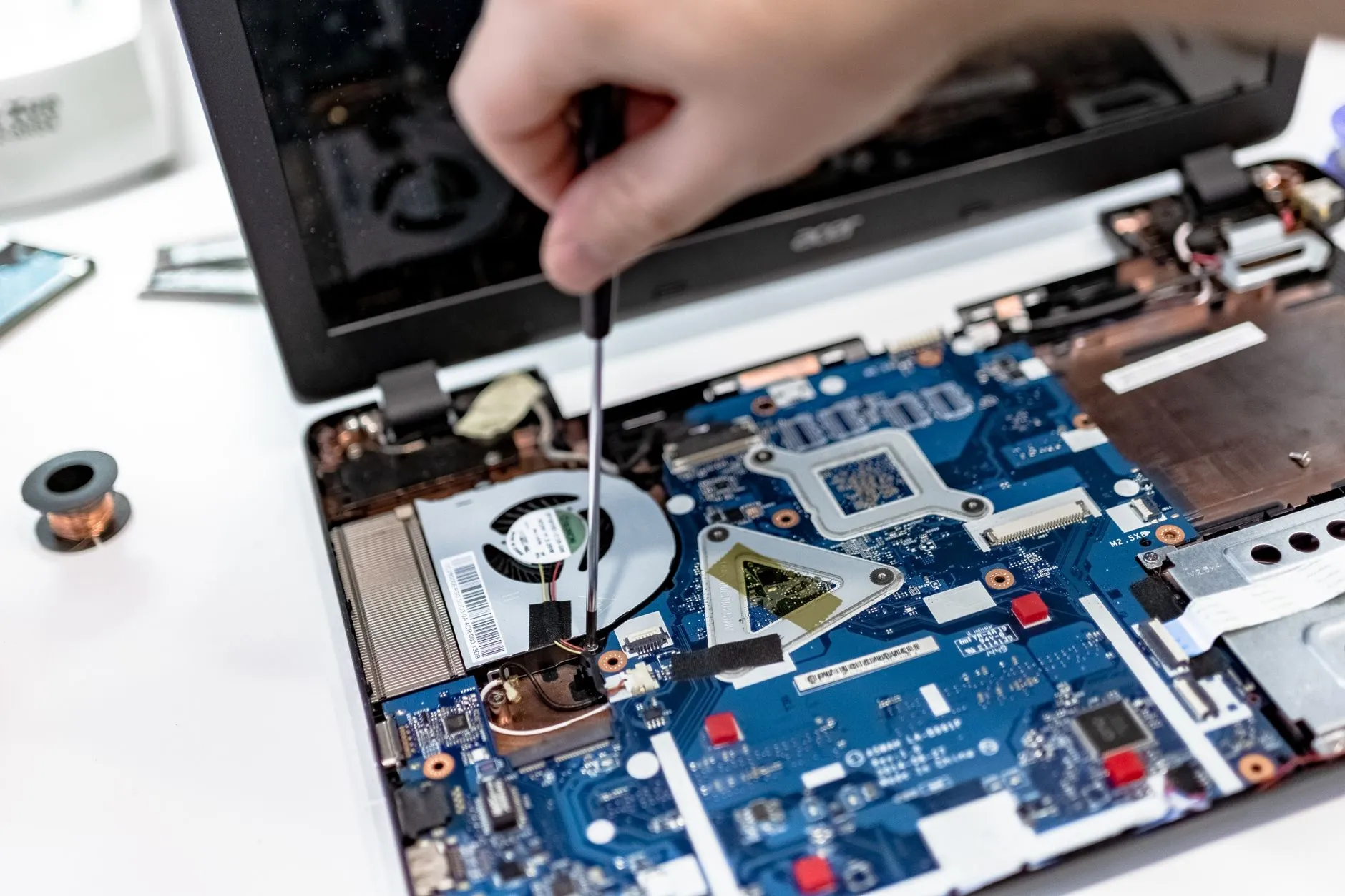
Onsite IT Support Services: Cost per Engineer & Models (2026)
A buyer's guide to onsite IT support pricing: per-visit dispatch, scheduled days and full-time engineers compared, with published 2026 H2 rates by country and the four factors that move a quote.
October 05, 2026 | 25 min
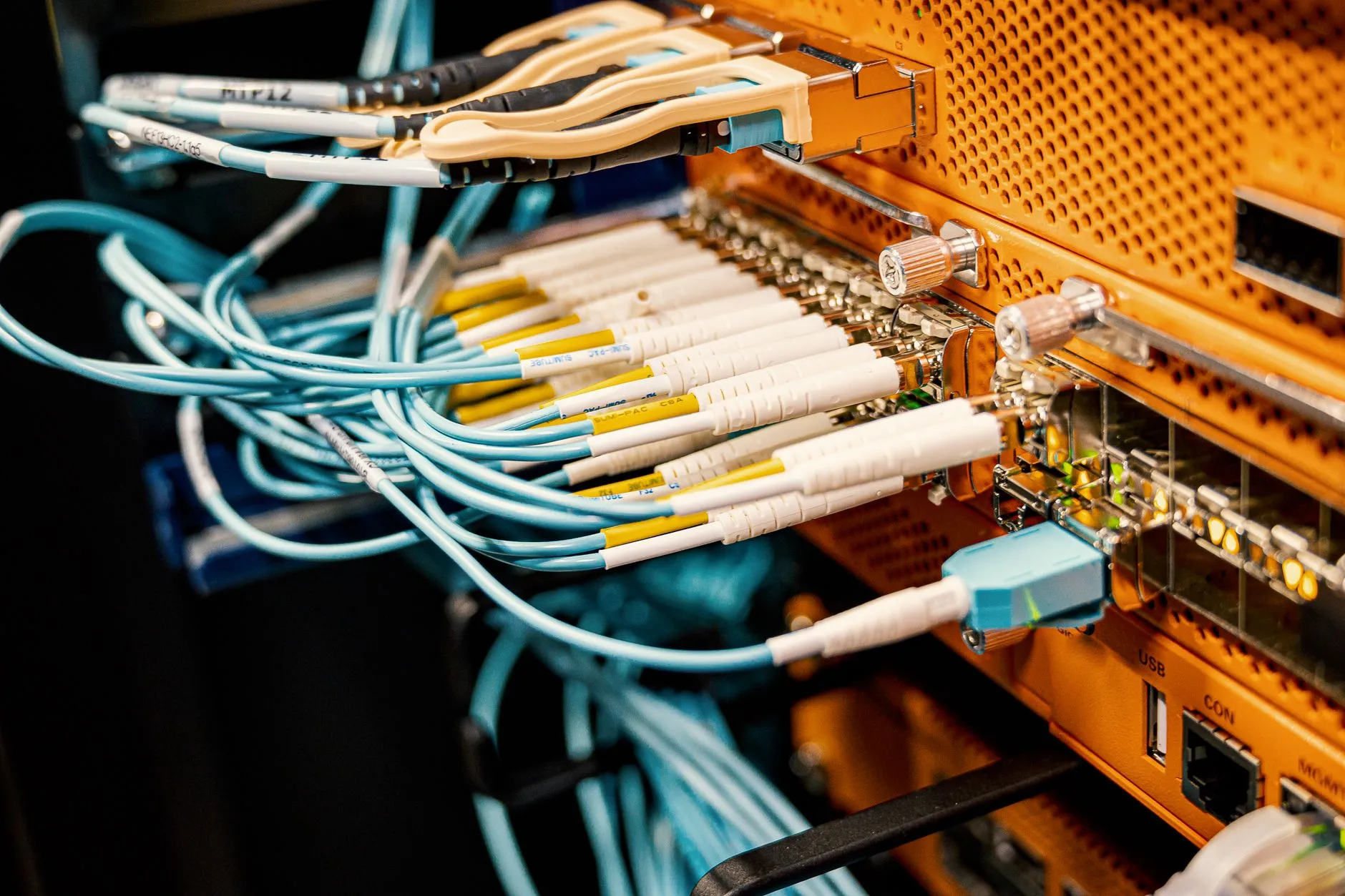
Managed IT Services Lesson: Our Cross-Border IT Infrastructure Deployment Succeeded, Yet We Paid in Full Over One Customs Document
Our cross-border IT infrastructure deployment and onsite install succeeded, but unclear customs terms in this IT outsourcing deal meant a RMB 300,000+ payout
September 22, 2026 | 15 min
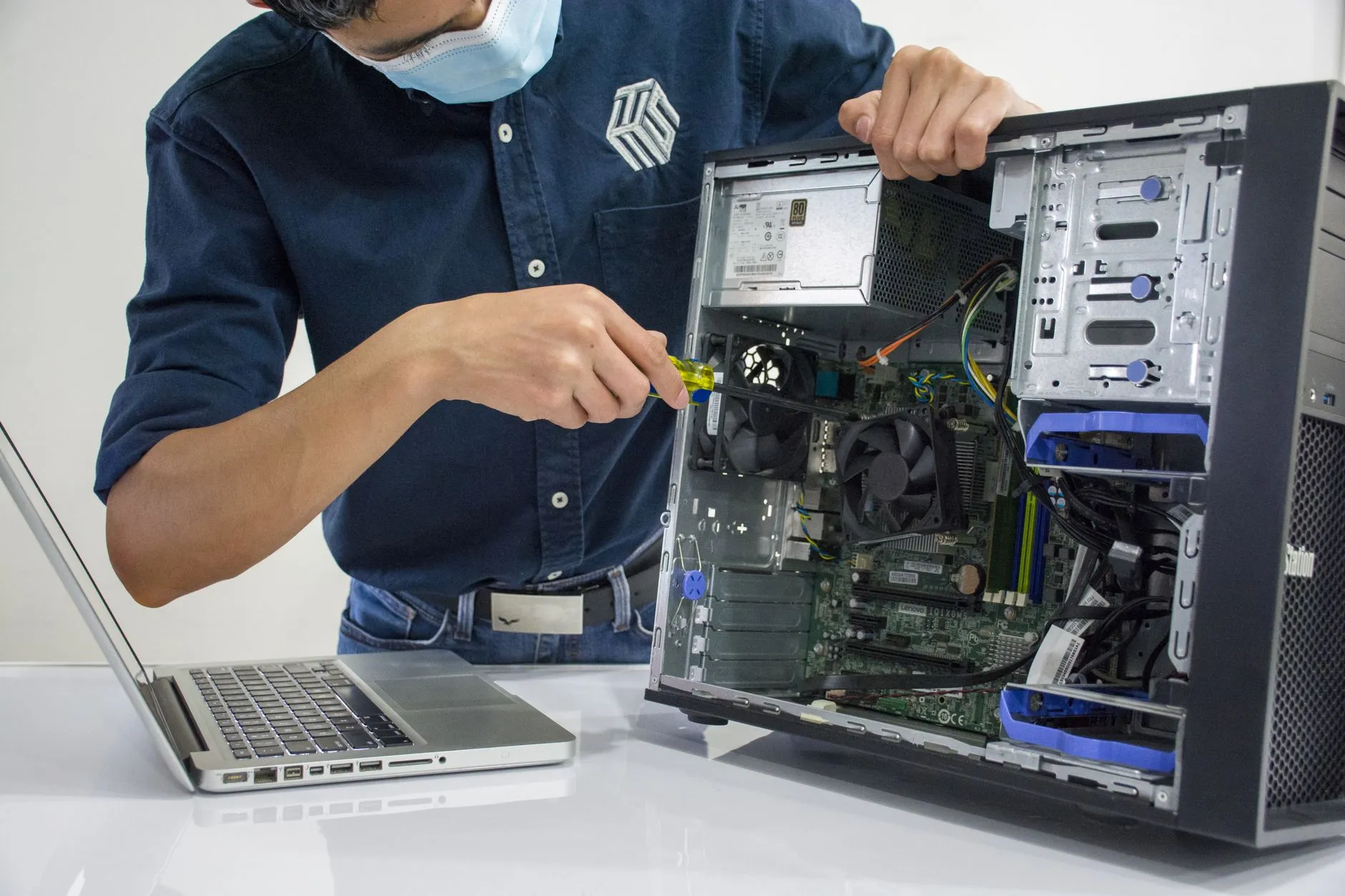
Embedded, Scheduled or Dispatched: Choosing an Onsite IT Pattern for a Hong Kong Office of 40
A decision guide for the regional IT manager responsible for a 30-60 person Hong Kong office with no local IT person. The three onsite patterns Hong Kong buyers actually ask for, what each is genuinely good at, the break-even band computed from Brocent's published Hong Kong dispatch and dedicated-engineer rates, the four variables that move the answer, and why the hands layer belongs inside a managed plan rather than beside it.
September 15, 2026 | 16 min
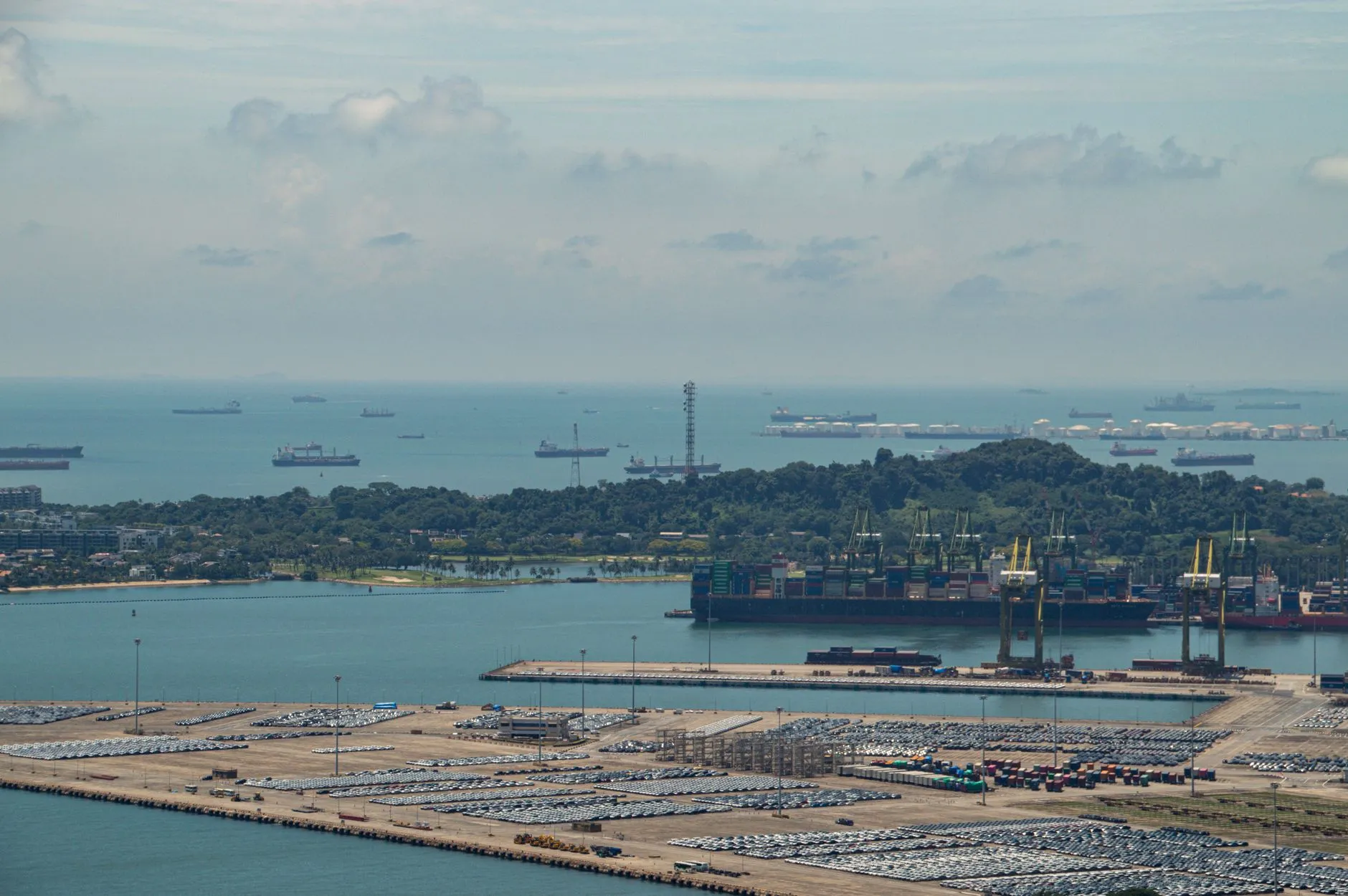
Nobody Could Get to Tuas: A Singapore Marine Services Operator's Remote-Only Problem
An illustrative Singapore composite: a marine and offshore services operator split between a CBD office and a Jurong-Tuas yard, whose remote helpdesk covered the office perfectly and the yard not at all. Why remote-first is right but remote-only is not, the real published Singapore dispatch and dedicated-engineer rates, the break-even arithmetic between them, and the three ways to cover the physical half of IT.

September 11, 2026 | 19 min
One Engineer, Every Day, On Site: Staff Augmentation for a Singapore Manufacturer
A composite scenario from Singapore: a 155-person contract manufacturer running two shifts on an IT support arrangement it signed at 70 office-based staff. The crossover arithmetic between dispatch and a dedicated onsite engineer, why the sizing ladder's 'and/or devices' clause changes the answer in manufacturing, and what a placement actually contains beyond a body in the building.

September 02, 2026 | 15 min
The Livestream That Couldn't Go Down
A composite scenario from Hangzhou: 45 people running a European brand's Tmall, JD and Douyin storefronts, with no local IT and a calendar dominated by 618 and 11.11. Why peak-shaped risk needs pre-positioned capacity rather than a permanent hire.
August 13, 2026 | 19 min
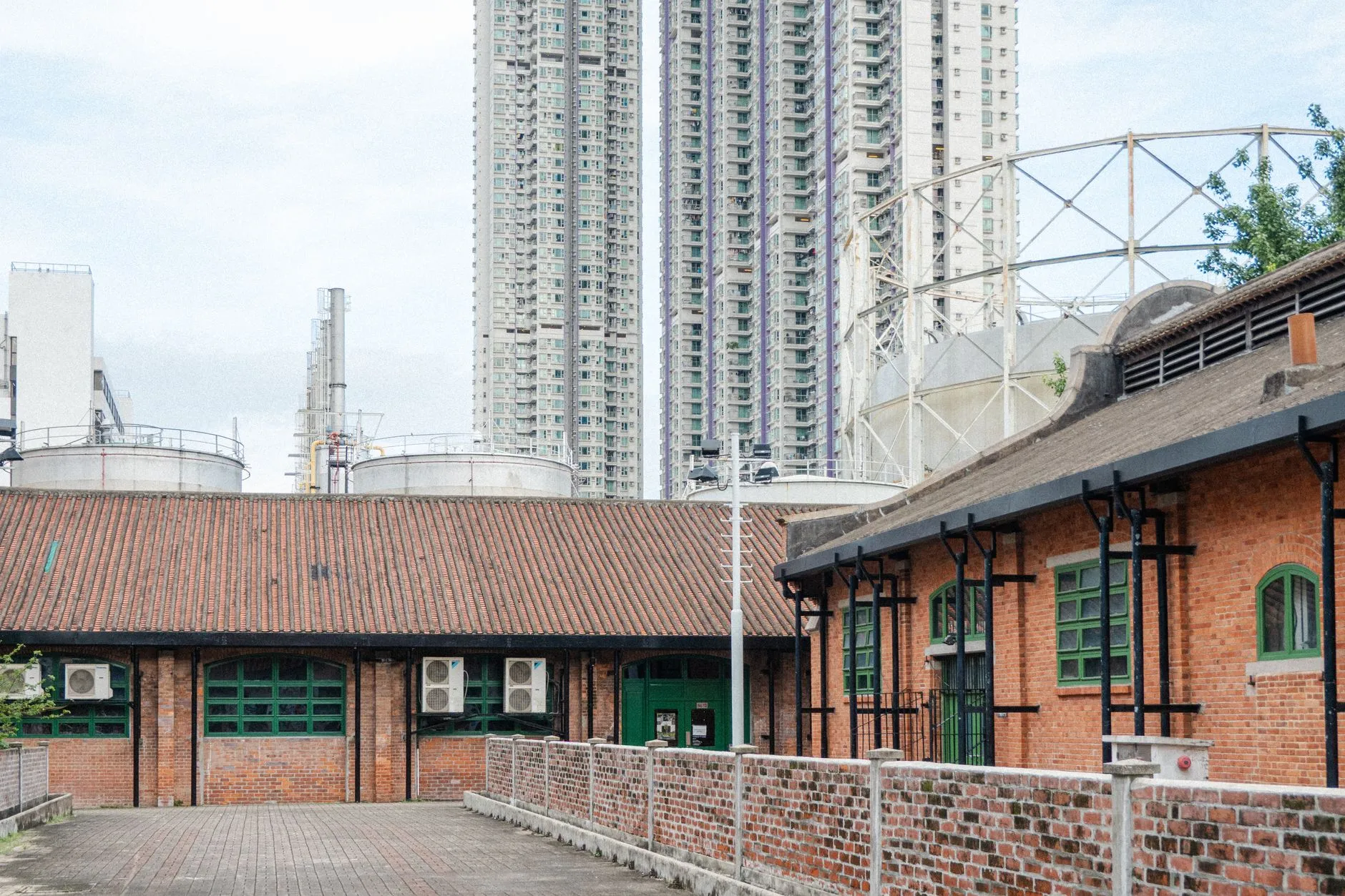
IT Support in the New Territories: An Industrial Site's Reality Check
What actually changes when your Hong Kong site is an industrial building in Tai Po or Yuen Long rather than a Central office - travel time, landlord-controlled risers, carrier choice and a comms room that was never designed as IT infrastructure.