IT Staff Augmentation Cost in Hong Kong: Onsite Engineer Rates, Contract Entity and Replacement Cover
What IT staff augmentation in Hong Kong costs, who employs the seconded engineer, which entity signs the contract, how leave and resignation are covered, and how long it takes to get someone on site.
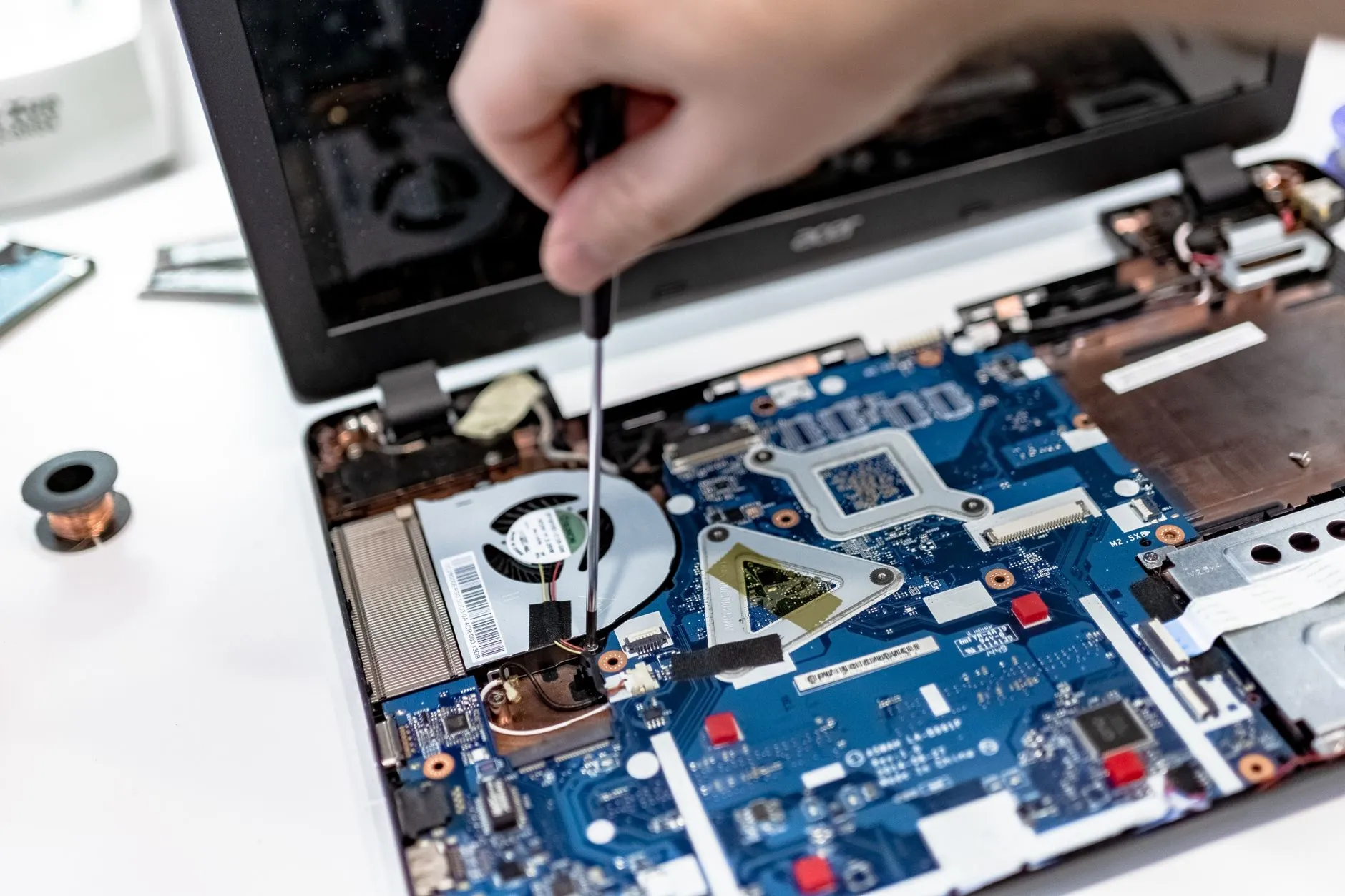
The short answer: If your Hong Kong office has about 100 users or more, a full-time onsite engineer employed by an IT company is usually the simpler, lower-risk choice than hiring one yourself. Between about 50 and 100 users, a part-time engineer on set days is enough. Below that, pay per visit. For IT staff augmentation cost in Hong Kong, Brocent publishes an indicative entry-level rate of US$4,810 a month for a full-time onsite engineer, before leave cover, and the final figure comes in the proposal. You save most by being precise about language, hours and backfill before you ask for a price.
This guide is for the office manager, finance lead or IT head of a Hong Kong company who needs a person in the office, not just a helpdesk number. It covers what you actually pay for, who carries the employment risk, which company signs the contract, and how to stop the arrangement failing the first time the engineer takes annual leave. Every price here is Brocent's own published figure. No other provider's prices are quoted.
What IT staff augmentation in Hong Kong actually buys you
IT staff augmentation means an IT company recruits and employs an engineer, then places that person at your office to look after your IT. In Hong Kong the same thing is also called IT manpower outsourcing or IT secondment. A secondment simply means a person employed by one company works at another company's site.
The engineer works your office hours, sits at your desks and becomes the person your staff walk over to when a laptop, printer or meeting room fails. What you do not take on is the headcount. Recruitment, payroll, MPF, insurance, leave, appraisal and the cost of ending the arrangement all sit with the supplier.
Two quite different products are sold under the same name. In a pure staffing arrangement the supplier mostly supplies a person, and daily management, replacement and compliance stay with you. In a managed arrangement, the engineer is part of a service: the supplier runs onboarding, background checks, attendance reporting, leave cover and annual appraisal, and backs the engineer with its own tools and escalation team. Brocent's IT staff augmentation in Hong Kong is the second kind. Ask every supplier which one you are buying. A lower headline price often means more of the work comes back to your desk.
Full-time, part-time or per visit: sizing the engineer to your office
Most of the money in this decision is saved or wasted at the sizing step. A resident engineer is a fixed monthly cost whether your office has a busy month or a quiet one, so the real question is how many hours of hands-on work your site needs.
Full-time vs part-time vs pay per visit
- Full-time (FTE): one designated engineer at your office for the full working week. This is the usual choice from about 100 users, or when you need a team lead or several engineers. Offices of 500 to 2,000 users typically need several engineers with a team lead; above 2,000, a team with a project manager.
- Part-time (PTE): a designated engineer who works set days or hours written into the contract. It suits offices of roughly 50 to 100 users, where half an engineer's time is enough.
- Pay per visit: below about 50 users, remote managed IT support plus an engineer booked only when needed usually costs less than anyone resident.
If you are unsure, start smaller and measure. Our guide to embedded, scheduled or dispatched onsite IT in Hong Kong works through the arithmetic for a 40-person office. The short version: a few months of itemised visit invoices is the best evidence you will get for or against a full-time placement.
One warning. A resident engineer does not replace a helpdesk. One person cannot be the service desk, the patching, the monitoring and the out-of-hours escalation at the same time. The engineer is the pair of hands on top of those layers, so budget for both.
What a seconded IT engineer costs in Hong Kong
Brocent publishes an indicative entry-level rate of US$4,810 a month for a full-time engineer in Hong Kong, fully loaded and without backfill, on its dispatch and dedicated engineer rates page, which also shows how higher skill levels change the figure. Your own price is set in the proposal, because these factors move it:
- Contract length: standard terms are 6, 12 and 24 months, and longer terms carry lower monthly rates.
- Job level and skills: L1, L2 and L3 engineers are priced differently. Specialist skills such as security or cloud cost more.
- Experience: years of relevant experience move the market salary, and so the rate.
- Working language: every extra hard language requirement narrows the pool of candidates.
- Work window: business hours, extended hours, shifts, 24x7 cover or on-call are priced differently.
- Site: a city-centre office, a remote site or several sites.
- Resource type: a fresh hire, taking over your existing engineer, hiring to a fixed budget, or changing an existing plan.
- Backfill: whether a standby engineer covers leave and absence.
- Contract terms: whether your company holidays are billable, how statutory paid leave is funded, how many handover days a change needs, and whether an early-termination compensation clause applies.
The cheapest way to buy is to be exact. "Bilingual, 24x7, senior" in a scope of work is three price increases. If only one of them is truly needed, say which one.
When you compare this with hiring directly, add up the full cost of an employee, not the salary alone: MPF, compulsory insurance, statutory holidays and leave, recruitment fees, the weeks the seat sits empty, and the cost of ending the employment. Our Hong Kong IT staffing termination and severance guide sets out the statutory items one by one.
Who employs the engineer and who signs the contract
With Brocent, the engineer is on Brocent's payroll and works under Brocent's service contract with you. You are buying a service, not taking on an employee.
The contract is usually signed by the Brocent entity in your own country. Brocent has 11 local legal entities and any of them can be the contracting party, so a Hong Kong company normally contracts and is invoiced locally, while a group with its regional head office elsewhere can choose to sign there. The proposal confirms which entity signs.
Whoever you buy from, check these points in the contract before you sign:
- Employer of record: who employs the engineer and pays MPF and insurance.
- Replacement: what happens, and how fast, if the engineer leaves or is unsuitable.
- Ending the service: the notice period, and who bears any severance or long service payment.
- Handover: how many days of handover a change of engineer includes.
- Your documents: that the IT manual, scripts and records the engineer produces stay with your company.
Replacement cover: leave, sickness and resignation
The weak point of a single resident engineer is that they are one person. Annual leave, sick days, public holidays and, sooner or later, a resignation will all happen. Ask how each one is covered before you sign, not after the first gap.
Brocent's continuity plan has six parts:
- Leave plan: annual, sick and public-holiday leave scheduled in advance, so absences are known.
- Backfill plan: a backup engineer is identified and briefed on your site, ready to step in.
- Knowledge transfer: your IT manual and documentation are kept current, so a stand-in can work from the first day.
- Holiday schedule: cover for public and company holidays agreed in advance.
- Resource pool: spare capacity at country level, drawn from more than 2,400 registered engineers.
- Remote fallback: in an emergency, service continues remotely.
If the engineer resigns, the replacement comes from the pool and the handover period is agreed and costed up front, so knowledge is passed on rather than lost. Remember that the published monthly rate excludes backfill. If continuity matters, and for most offices it does, price backfill at the start rather than finding the gap in the first holiday season.
Hong Kong employment law: what stays with the supplier
Hong Kong has no labour dispatch law of the kind Mainland China has: no cap on how many contract workers you use and no automatic joint liability with the supplier. That makes secondment simpler than across the border. It does not make the employment cost disappear. The employer still owes notice or payment in lieu, MPF contributions, statutory holidays and paid leave, and, after qualifying service, severance or long service payment. Since 1 May 2025, employers can no longer use their MPF contributions to offset those payments for service after that date, which makes ending a long employment more expensive than it used to be.
Under staff augmentation, those obligations sit with the supplier as the employer. Two risks remain with you. The first is misclassification: if the supplier is only a payroll name while your company recruits, directs, appraises and dismisses the engineer, the question of who the real employer is can come back to you. The second is continuity when you change supplier. If you already have an engineer you want to keep, the resource rebadging and transition framework moves that person to Brocent's payroll with a planned handover.
Language: English, Cantonese and Mandarin
Brocent's Hong Kong engineers can work in English, Cantonese and Mandarin. Writing "trilingual" into a scope of work, though, is the quickest way to raise the price and delay the start date, because it narrows the candidate pool.
Decide what each language is for: talking to staff on the floor, writing tickets and documentation, or calls with head office and vendors. A common pattern is Cantonese on the floor and English in writing, which most Hong Kong engineers can do. Our guide to bilingual onsite IT engineer requirements in Hong Kong explains how to write the requirement so it does not cost more than it needs to.
How long it takes to get an engineer on site
A new placement follows a fixed sequence: a call to understand your IT environment and the role, a hiring plan, sourcing and technical screening, your interview of the shortlisted candidates, NDA and job offer with background checks on criminal record, education and identity, then HR onboarding (payroll, benefits, labour-law compliance and liability insurance) and a site handover pack.
Once a candidate is chosen, onboarding a Level 1 engineer takes about one week. The search before that depends on level, skills and language, and the proposal gives you a target start date. Taking over an engineer you already have is faster to plan: the rebadging framework gives an indicative 3 to 4 weeks. The first three months are a close-care period, with performance watched closely and issues fixed quickly. After that, attendance is tracked every month and the engineer is appraised every year.
Brocent has had an office in Hong Kong since 2016, so the engineer is backed by a local team rather than a remote account manager. More on the local service is on our Hong Kong IT services page.
FAQ
What is the difference between IT staff augmentation and IT outsourcing?
Staff augmentation gives you a named engineer who works at your office on your priorities. IT outsourcing usually means handing a whole function, such as the service desk, to a provider that delivers it its own way. Brocent's onsite engineers sit between the two: a named person at your site, managed and backed as part of a service.
How much does an onsite IT engineer cost per month in Hong Kong?
Brocent publishes an indicative entry-level rate of US$4,810 a month for a full-time Hong Kong engineer, fully loaded and without backfill. Level, language, hours, contract length and backfill change the figure, so your price is confirmed in the proposal.
Can we keep our current IT person and just change the employer?
Yes. That is the rebadge model. Brocent assesses the engineer's job level, benefits and service continuity, then moves them to Brocent's payroll with a planned handover.
What happens when the engineer is on leave or resigns?
Leave is scheduled in advance and a briefed backup steps in. If the engineer resigns, a replacement comes from Brocent's pool and the handover days are agreed up front. Backfill is priced separately from the published monthly rate, so agree it at the start.
Is the engineer our employee under Hong Kong law?
No. The engineer is employed by Brocent and works under a service contract with you. Keep it that way in practice: agree the scope and priorities with Brocent's service manager rather than running the engineer's employment yourself.
Can a part-time engineer work only on certain days?
Yes. A part-time engineer works set days or hours written into the contract, for example two fixed days a week. It is priced from the same factors as a full-time engineer.
Which company signs the contract?
Usually the Brocent entity in your own country. Any of Brocent's 11 local legal entities can be the contracting party, and the proposal confirms which one.
Next step: tell us your user count, office address, working hours, language needs and the date you want someone on site, and we will send a proposal with a confirmed price. Start from our IT staff augmentation in Hong Kong page and use the request button there.

Jingwen Tan
Head of Project Operation, Brocent
Leads project operations at Brocent, overseeing end-to-end delivery of IT projects across multiple countries and service lines: project governance, resource coordination and on-time delivery.
Meet the teamShare:
Ready to take action?
Turn these insights into a roadmap for your business.
Book a 15-minute no-obligation consultation with our APAC IT experts. We'll review your current setup and provide a tailored IT roadmap within 24 hours.
Explore all servicesFree Checklist
10 Critical Checks Before Expanding IT to Greater China
PIPL compliance, network segmentation, bilingual helpdesk setup, and more — everything your IT team needs before Day 1 in China.
Request the checklist →📬 Monthly Asia IT Insights
China compliance updates, cybersecurity alerts, and IT tips for APAC teams — once a month.
No spam. Unsubscribe anytime.
Related Articles

Jul 29, 2026
Hong Kong IT Staffing Cost: Severance, MPF Offsetting & Risk

Sep 22, 2026
Cantonese on the Floor, English in the Ticket: What a Language Requirement Does to Onsite IT Cost and Lead Time

Sep 22, 2026
Embedded, Scheduled or Dispatched: Choosing an Onsite IT Pattern for a Hong Kong Office of 40