Capital
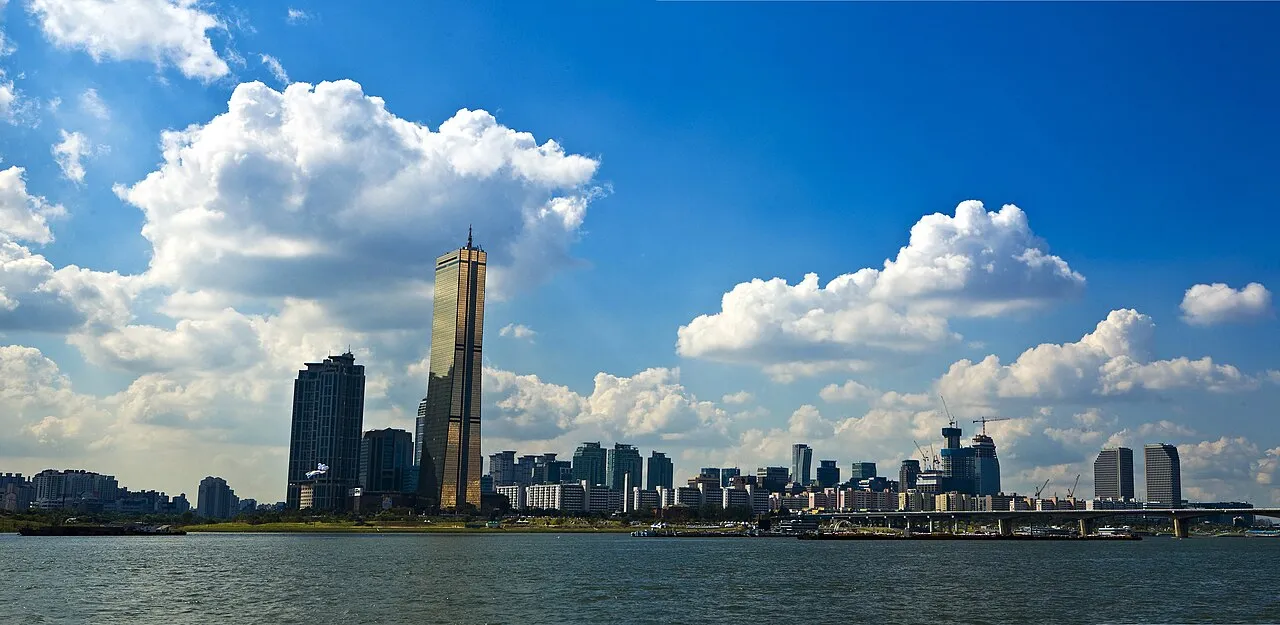
Seoul
Head offices, banks and the Yeouido finance district; Gangnam is the main business district for foreign firms and start-ups.
Typical jobs: New office set-up and moves, employee laptops, meeting rooms, network and Wi-Fi.
Home / Global service network / Northeast Asia / South Korea
Laptops, accounts and networks for your staff in South Korea are managed monthly by the remote service desk, and local engineers handle problems on site. Your sites in South Korea sit in the same contract as your other countries.
With the address, please add: headcount, what needs doing and your preferred date.
In South Korea
Offices and finance cluster in Seoul, chips and electronics in Gyeonggi, ports and heavy industry along the south and east coast. We match the engineer and tools to your address and site type.
Swipe sideways, 6 areas
Capital
Head offices, banks and the Yeouido finance district; Gangnam is the main business district for foreign firms and start-ups.
Typical jobs: New office set-up and moves, employee laptops, meeting rooms, network and Wi-Fi.
Tech and electronics
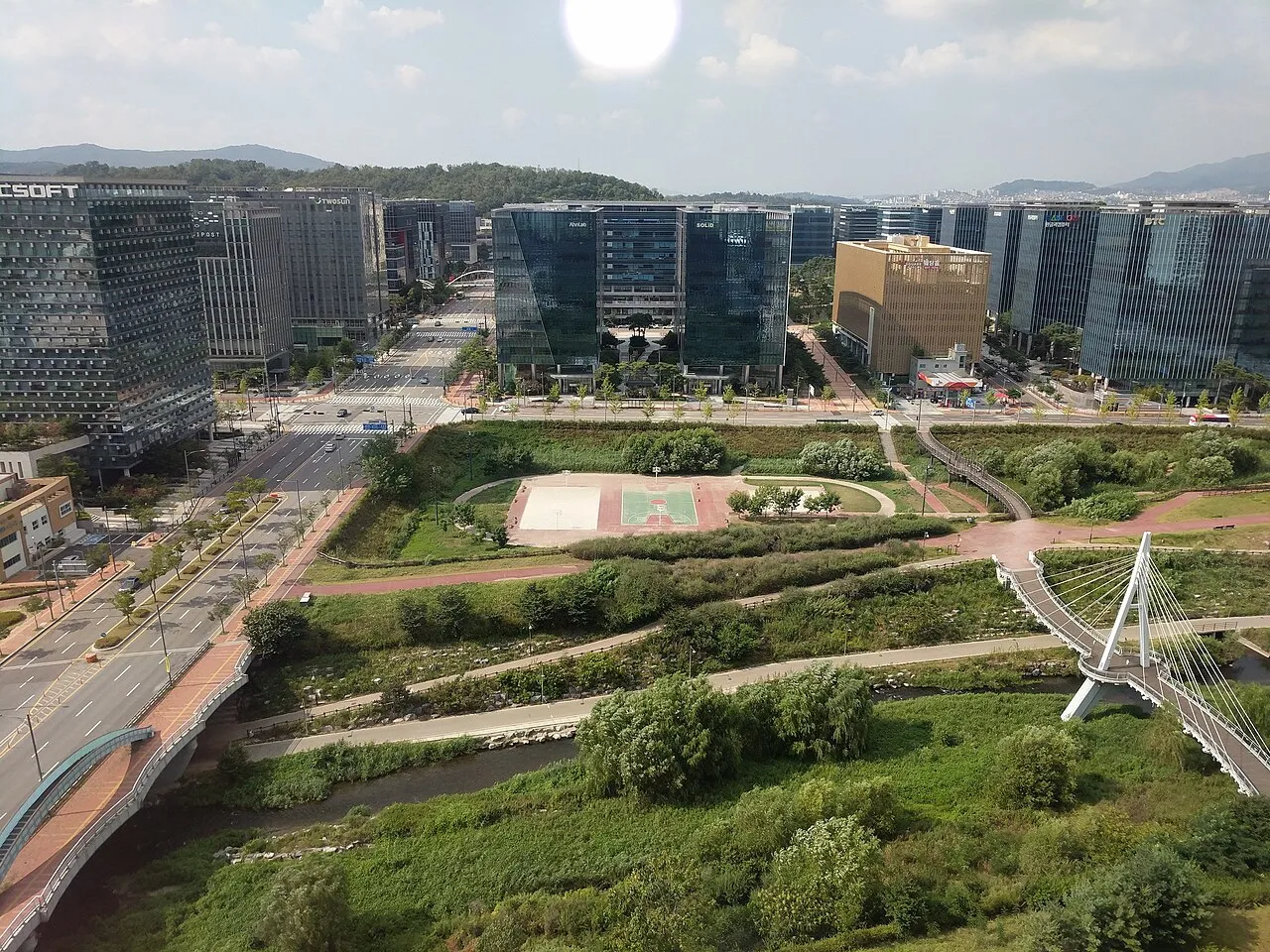
Pangyo Techno Valley hosts game, software and IT firms; further south in Gyeonggi are electronics and semiconductor campuses and supplier plants.
Typical jobs: Office networks in tech parks, shop-floor and clean-room-adjacent office support, equipment replacement.
Airport and port city
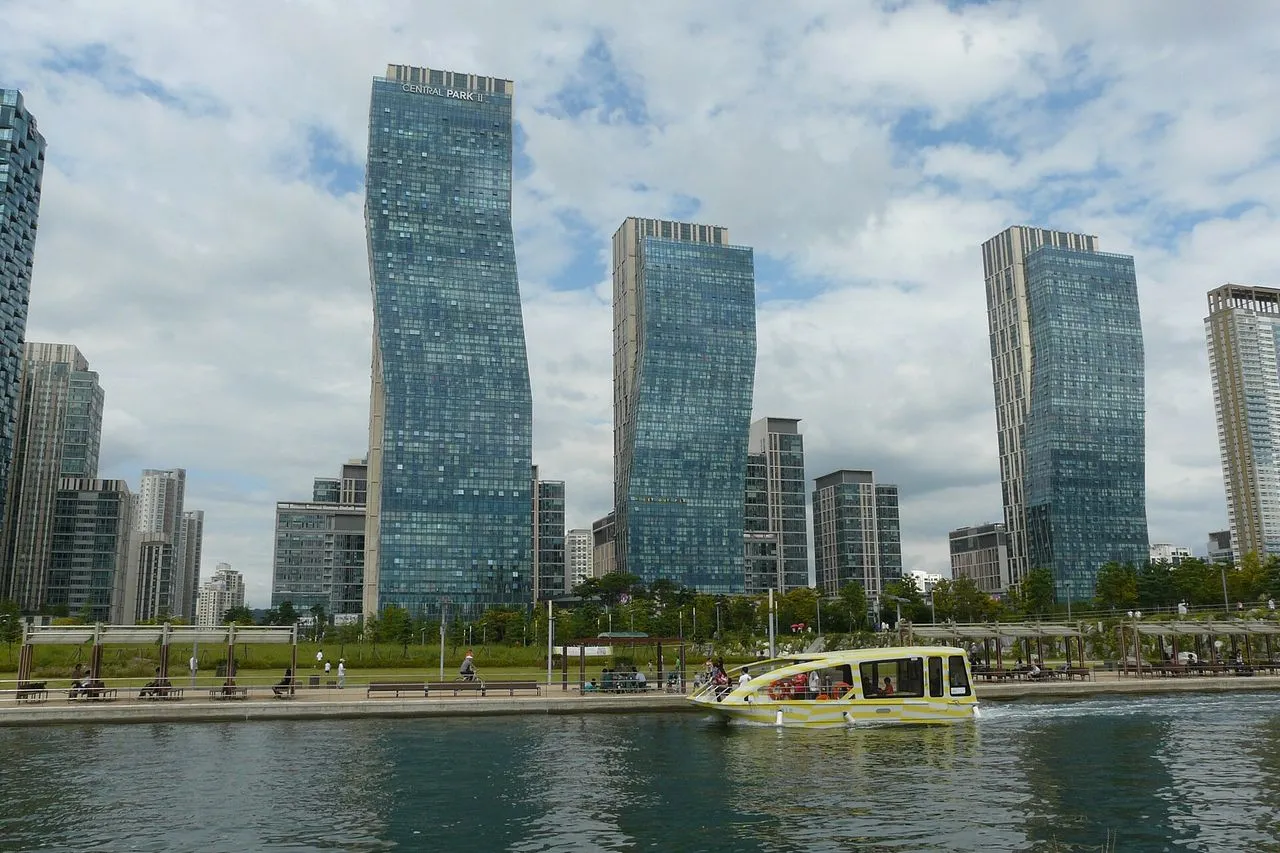
Incheon international airport and port, and the Songdo free economic zone with offices, labs and logistics.
Typical jobs: Logistics-site equipment, office set-up in Songdo, airport-area handheld terminals.
Largest port
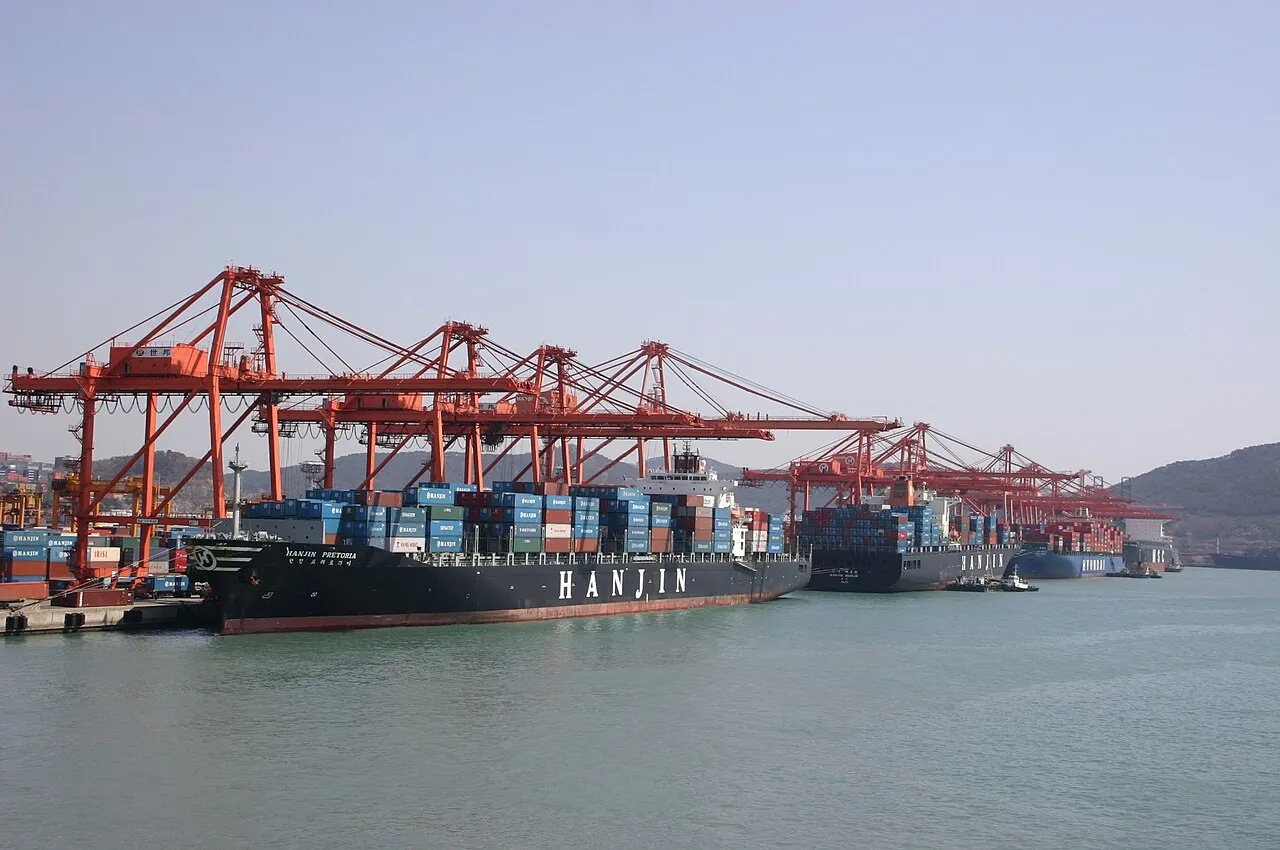
Korea's second-largest city and its largest port, with the Busan New Port container terminals and many freight and trading offices.
Typical jobs: Terminal and forwarder office networks, warehouse terminals and label printers.
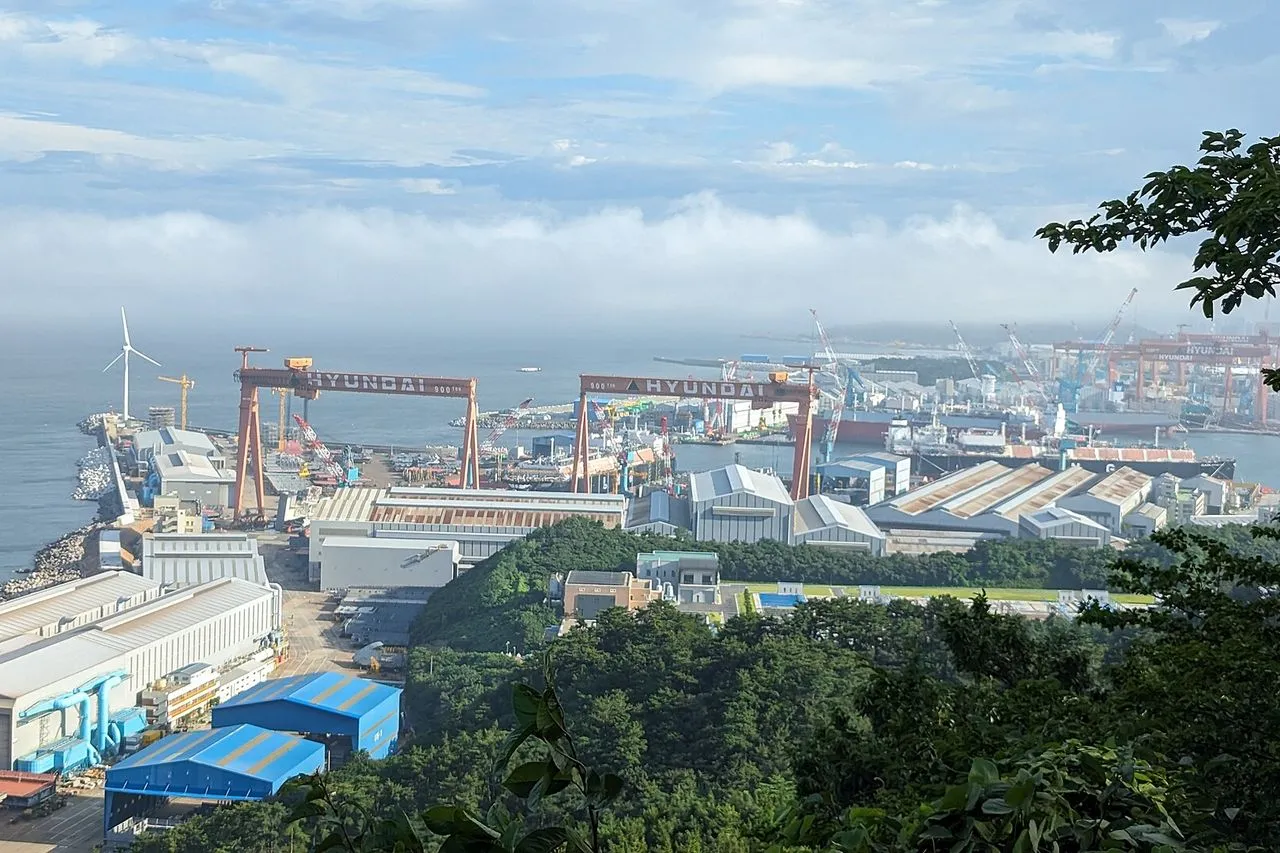
Heavy industry
Ulsan is home to a very large car plant and petrochemical works; Changwon has machinery makers and Geoje has shipyards.
Typical jobs: Plant office networks, production-line terminals, support inside large industrial sites.
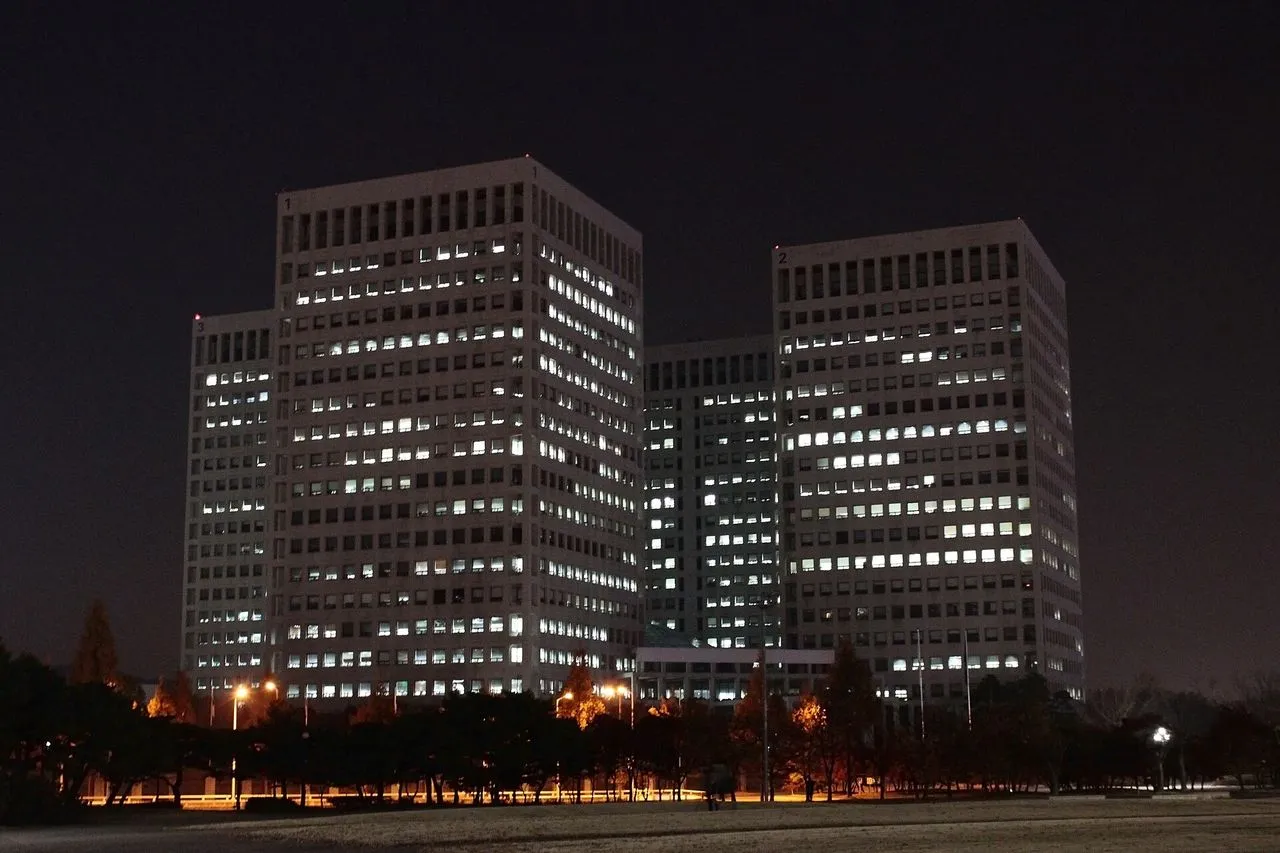
Research and government
Daedeok research complex in Daejeon, and Sejong, where many ministries have moved.
Typical jobs: Research-lab and government-office networks, equipment moves.
Other cities such as Daegu, Gwangju and Jeonju, and Jeju Island, are arranged once we confirm the address.
Send the address to checkFor fewer problems, choose the managed plan; for remote only, choose Essentials; for hands-on repairs and projects, use the token service. You can buy them separately or together.
Monthly plan · managed IT and remote support
Add-on · token service
Level 1, working days, next business day, excl. tax; prices updated 2026-11-08. For Levels 2 and 3 and same-day arrival see the price page for South Korea; evenings, weekends and public holidays follow the deduction rules.
Book an on-site visitTravel is in three bands by road distance from the engineer's starting point to your address. Please give street, number, postcode and an on-site contact.
| From | To | Distance | Travel |
|---|---|---|---|
| Seoul city centre | Gangnam | about 10 km | no travel charge |
| Gangnam | Pangyo | about 20 km | no travel charge |
| Seoul | Incheon city | about 40 km | add 2 hours |
| Seoul | Pyeongtaek | about 70 km | quoted separately |
| Busan | Ulsan | about 70 km | quoted separately |
| Seoul | Busan | about 400 km | quoted separately |
Time zone
Korea Standard Time, UTC+9, no daylight saving; one hour ahead of Guangzhou and Hong Kong.
Working days
Monday to Friday. Factories often run shifts; night and weekend visits follow the deduction rules.
Public holidays
Lunar New Year and Chuseok each bring several days off, plus National Foundation Day and other public holidays; exact dates are announced each year and substitute holidays are common. Book early around them.
Service level
Standard: next business day. Urgent: order before 15:00 local time for same-day arrival (later orders count as the next day), at the uplift for South Korea.
Currency and tax
Local currency is the Korean won (KRW). Prices are in US dollars excl. tax; invoice currency follows the contract. VAT is 10% and is added per the invoicing rules.
Language and site access
Korean on site; English varies by company. Korean addresses use road names, so please give the road-name address and postcode with an on-site contact.
The operations centre that serves South Korea
Each centre's service desk runs 9:00–21:00 local time, then hands over by time zone: India, Warsaw, then New York take over in turn. Working days are covered around the clock; whether weekends are handed over follows your contract. Chinese, Cantonese and Hindi are available in the matching centre's hours.
See all operations centresCannot find your answer? Send us the address and your question together.
We have no company in South Korea. A local engineer we arrange by address does the visit; contract, tickets and invoices are managed by us.
Yes. Gyeonggi, Incheon, Busan, Ulsan and other industrial areas are arranged by address. The engineer starts from the nearest base we confirm, and the travel band follows the distance.
Engineers work in Korean on site. The service desk coordinates in English or Chinese, so you only need to give the address and a contact number.
Within 30 km of the engineer's starting point there is no travel charge; 30–50 km adds 2 hours; beyond 50 km is quoted separately. Please give the full address so we can confirm where the engineer starts.
Choose the Essentials monthly plan: remote support in working hours, priced per person per month.
Order before 15:00 local time for same-day arrival; later orders count as the next day. The uplift for South Korea is shown on its price page.
Tokens do not expire during the contract term. They can be used across regions and are deducted at the rate of the region where you signed. Details are in the deduction rules.
Prepaid means buying a 20-, 30- or 50-hour package first, at the same unit price; postpaid is billed monthly on use and costs 5% more per hour. Postpaid monthly billing needs approval and is for selected customers. If your usage is uncertain, start with a 20-hour package; frequent users can apply for postpaid monthly billing.
Send the full address, headcount and what needs doing. We confirm the local engineer and travel band, then quote. Sites in South Korea are added to your existing contract.