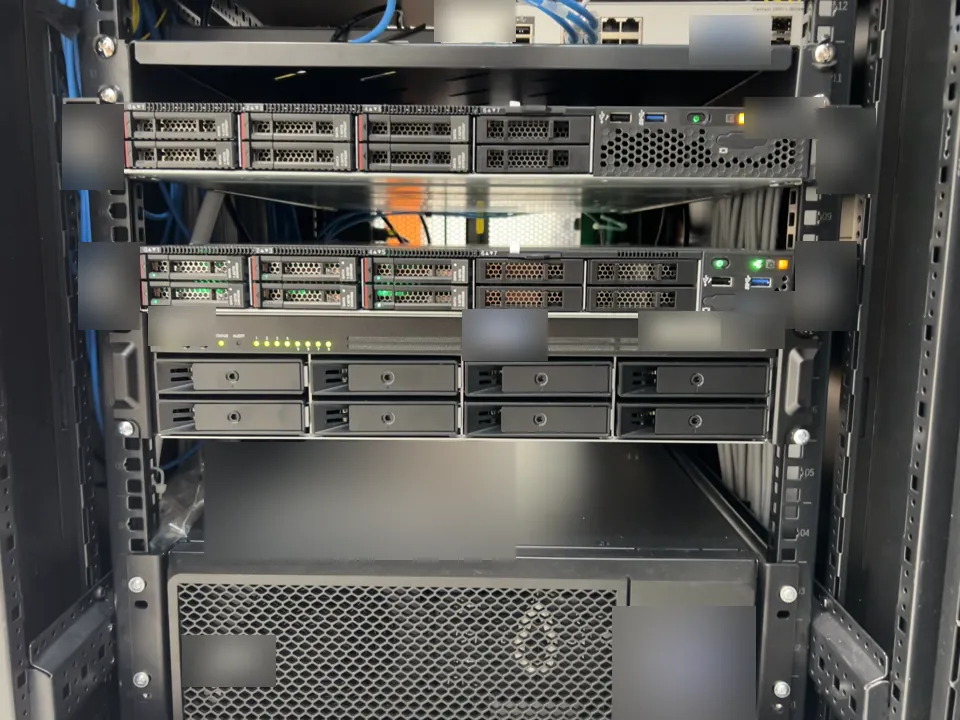
Regional Telecom & Media Operator — Managed Service Desk and NOC Support
A regional telecom and media operator engaged Brocent since 2021 to run a multilingual Tier 1/2 managed service desk and augment its 24×7 NOC — delivering structured incident triage, ITIL change/problem management, and field dispatch across Hong Kong, Shenzhen, and Singapore.
24×7
NOC & Incident SLA
3
Operating Markets
ITIL
Aligned Change & Problem Mgmt
T1/T2
Multilingual Service Desk
EXECUTIVE PROJECT SUMMARY
Since 2021, a regional telecom and media operator serving commercial and broadcast customers across Greater China and Southeast Asia has partnered with Brocent to run a multilingual Tier 1/2 managed service desk and augment its 24×7 Network Operations Centre (NOC). Spanning Hong Kong, Shenzhen, and Singapore—with Shenzhen onsite field engineering delivered compliantly through BROCENT Group affiliate entities—the engagement standardises incident triage, field engineer dispatch, ITIL-aligned change and problem management, and monthly CSAT and SLA reporting.

Senior vCIO · Global IT Operations & Supply Chain
25 Yrs Enterprise IT Ops (Ex-HSBC / Fujitsu) · Multi-Country SLA, WaaS & Certified ITAD
MANAGED SERVICE DESK & NOC AUGMENTATION MATRIX
Structured 24×7 operational controls across Hong Kong, Shenzhen, and Singapore
Tier 1/2 Service Desk
NOC Monitoring & Triage
Field Engineer Dispatch
ITIL Change & Problem Mgmt
| Operational Stream | Prior Baseline | Managed IT Target | Governance Output |
|---|---|---|---|
| Tier 1/2 Service Desk | Fragmented regional queues with language bottlenecks | Multilingual Tier 1/2 managed service desk | Monthly FCR, MTTR & CSAT service report |
| NOC Monitoring & Triage | Raw alarm floods escalating directly to L3 specialists | 24×7 NOC alert correlation & structured L1/L2 triage | Validated incident tickets & shift handover logs |
| Field Engineer Dispatch | Manual coordination across separate local contractors | Centralised dispatch across HK, SG & Shenzhen (via BROCENT Group) | Timestamped onsite arrival & closure verification |
| ITIL Change & Problem Mgmt | Inconsistent maintenance records & repeat faults | ITIL-aligned change tickets & root-cause problem reviews | Change audit log & monthly problem reduction summary |
IT MANAGER EVALUATION & AUDIT BENCHMARKS
Telecom NOC Governance & ITIL Service Management
PROTECTING TIER 3 ENGINEERING CAPACITY
Structured NOC Triage Before Escalation
By absorbing 24×7 alarm validation, traceroutes, and vendor ticket logging at L1/L2, senior telecom engineers stay focused on core architecture and capacity projects.
CROSS-BORDER DISPATCH GOVERNANCE
HK & SG Direct + Shenzhen via BROCENT Group Affiliates
A single escalation desk coordinates field dispatch across all three markets, with Mainland China onsite work in Shenzhen executed compliantly through BROCENT Group affiliate entities.
DISCIPLINED ITIL CHANGE CONTROL
Peer-Reviewed Maintenance & Rollback Plans
Standardising change requests, approval gates, and post-change validation eliminates unrecorded configuration drift across regional network nodes.
MEASURABLE SERVICE QUALITY
Monthly Executive Reporting & CSAT Tracking
Continuous ticket-level CSAT surveys and monthly trend reviews give telecom operations leaders actionable visibility into queue health and recurring problem areas.
01 · PROJECT CONTEXT & CHALLENGES
What the client started with and needed to achieve
OPERATING MARKETS
3 Markets · Hong Kong, Shenzhen & Singapore
Regional telecom and media infrastructure supporting corporate offices, carrier POPs, and media operations requiring multilingual service desk coverage and responsive local field hands.
AUGMENTED OPERATING MODEL
Managed T1/T2 Desk + 24×7 NOC Augmentation
Brocent integrates directly into the operator's NOC monitoring stack and ITSM platform, while Shenzhen onsite dispatch is executed via BROCENT Group affiliate entities under identical SLA controls.
GOVERNANCE REQUIREMENT
ITIL-Aligned Change, Problem & Monthly CSAT
Telecom service availability demands disciplined change controls, post-incident root-cause tracking, and transparent monthly performance scorecards for leadership.
KEY CHALLENGES & TRIGGERS
- High alert volume across telecom and media networks overwhelmed internal Tier 3 NOC specialists with routine Tier 1/2 triage
- Operating teams in Hong Kong, Shenzhen, and Singapore needed multilingual service desk support and coordinated local field dispatch under one ITIL framework
- Inconsistent change logging and post-incident problem tracking limited visibility into recurring faults and monthly CSAT trends
02 · DELIVERY WORKFLOW & ARCHITECTURE
Layered reference topology — select any zone or stage
Serves internal corporate staff and regional operations teams across Hong Kong, Shenzhen, and Singapore in English, Cantonese, and Mandarin, resolving Tier 1/2 workplace and connectivity tickets under unified SLAs.
FIELD EXECUTION SNAPSHOTS
Three-stage visual delivery walkthrough
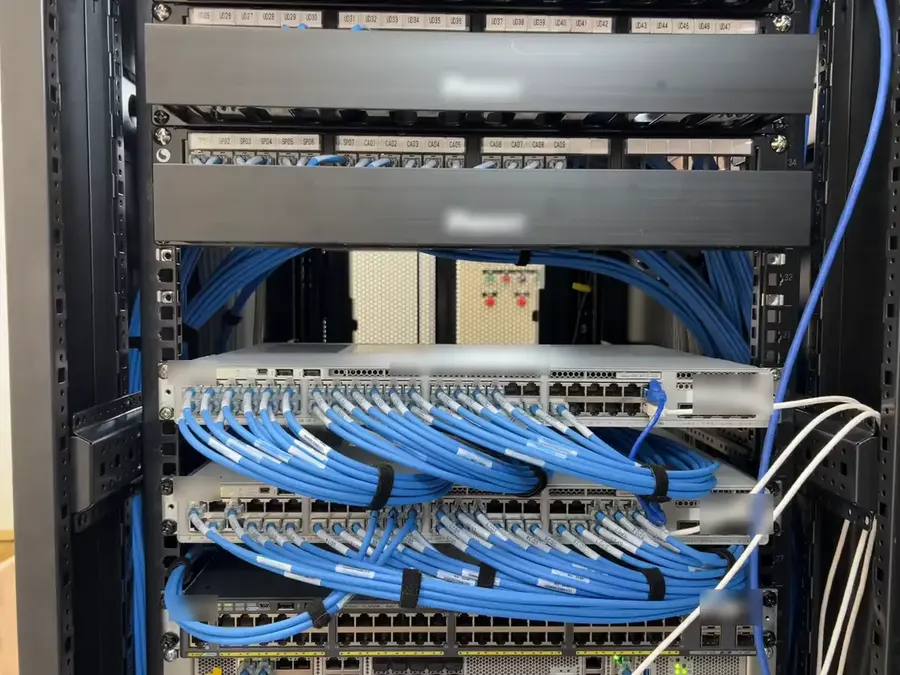
Runbook alignment, alert triage matrix & ITIL workflow onboarding
Mapped telecom alert categories, escalation paths, and field dispatch SLAs across Hong Kong, Singapore, and Shenzhen (coordinated via BROCENT Group affiliates).
03 · IMPLEMENTATION NARRATIVE
How our engineers executed and verified this engagement
Alert Taxonomy & Service Desk Onboarding
Starting in 2021, Brocent documented the operator's NOC alert thresholds, escalation matrices, and Tier 1/2 knowledge articles across Hong Kong, Shenzhen, and Singapore to create a repeatable triage baseline.
24×7 NOC Augmentation & Multilingual Queue Launch
We deployed shift-based NOC augmentation analysts alongside a multilingual Tier 1/2 managed service desk, ensuring every alarm and user incident received consistent first-line validation before Tier 3 escalation.
Cross-Market Field Dispatch Integration
Field dispatch workflows were unified across Hong Kong, Singapore, and Shenzhen—with Mainland China onsite field engineering delivered via BROCENT Group affiliate entities—enabling rapid physical fault resolution.
ITIL Change/Problem Maturity & Monthly CSAT Reviews
Ongoing since 2021, monthly service governance packs track incident volumes, change success rates, problem-ticket closure, and CSAT scores, driving steady reduction in repeat tickets.
04 · PRACTICAL RISKS & MITIGATION
4 issues that typically go wrong—and how we prevented them
NOC Alarm Fatigue Delaying Recognition of True P1 Outages
Enforced structured L1/L2 alert correlation rules, severity tagging, and clean shift-handover logs across 24×7 coverage.
Cross-Border Dispatch Delays Between Hong Kong, Shenzhen & Singapore
Unified field coordination on one ITSM queue with direct HK/SG coverage and BROCENT Group affiliate execution in Shenzhen.
Unplanned Side Effects From Informal Network Changes
Mandated ITIL change tickets with peer verification, maintenance-window scheduling, and documented rollback procedures.
Recurring Incidents Masking Underlying Root Causes
Linked repeat incident clusters into formal ITIL problem records reviewed during monthly service governance meetings.
05 · RESPONSIBILITY, DELIVERABLES & SPECS
Clear split between Brocent and client IT
BROCENT & BROCENT GROUP AFFILIATES HANDLE
- Multilingual Tier 1/2 managed service desk across HK, Shenzhen & Singapore
- 24×7 NOC monitoring augmentation, alert validation, and initial incident triage
- Field engineer coordination & onsite dispatch (Shenzhen via BROCENT Group affiliates)
- ITIL change/problem workflow execution and monthly SLA & CSAT reporting
CLIENT TELECOM & NOC LEADERSHIP RETAIN
- Tier 3 core network architecture, carrier peering, and broadcast platform engineering
- CAB approval for high-impact infrastructure changes and vendor contracts
- Ownership of monitoring tools, carrier circuits, and telecom licensing
- Strategic capacity planning and customer-facing commercial SLA governance
DOCUMENTS & AUDIT RECORDS HANDED OVER
ENVIRONMENT & CONTRACT SUMMARY
- Location / Facility
- Hong Kong, Shenzhen & Singapore
- Scenario
- Managed IT Services
- Timeframe
- Ongoing since 2021
- Delivery Model
- Regional Managed Service Desk & NOC Augmentation (Shenzhen dispatch via BROCENT Group affiliates)
- Contracting Entity
- Brocent Hong Kong / Singapore HQ (HKD / SGD / USD; Mainland China delivered locally via BROCENT Group affiliates)
06 · MEASURED RESULTS & OUTCOMES
Before vs. after operational impact
“Augmenting our NOC and service desk with Brocent gave our senior network engineers their focus back. Having one ITIL-aligned team coordinate triage and local dispatch across Hong Kong, Shenzhen, and Singapore has elevated both stability and CSAT.”
INCLUDED IN SCOPE
PLANNING A SIMILAR PROJECT?
24×7 Managed Service Desk & NOC Augmentation · HK / SZ / SG
Share your target cities, headcount, and timeline for a scoped SLA and transparent rate card.
EXECUTIVE BRIEF · 2-PAGE A4 PDF
Unlock the 2-page Executive Brief PDF
Read the complete interactive case study on this page, or enter your business details below to immediately unlock the formatted 2-page A4 PDF for offline boardroom sharing.
Your PDF is ready to download
Click below to save the A4 PDF to your device.
Regional Telecom & Media Operator — Managed Service Desk and NOC Support
07 · FREQUENTLY ASKED QUESTIONS
Key technical & commercial questions before starting
Does Brocent replace our existing NOC or augment it?
We augment your existing NOC by absorbing 24×7 monitoring, alarm correlation, and L1/L2 incident triage while escalating validated complex issues straight to your Tier 3 specialists.
How is field engineer dispatch managed in Shenzhen alongside Hong Kong and Singapore?
All three markets operate on one unified ticket and dispatch desk; Hong Kong and Singapore are handled directly while Shenzhen onsite field dispatch is delivered compliantly via BROCENT Group affiliate entities.
Which languages does the Tier 1/2 managed service desk cover?
The desk provides multilingual support across English, Cantonese, and Mandarin to serve regional corporate and operations teams seamlessly.
What reporting is delivered each month?
Every month we deliver an executive service pack covering incident volumes, SLA attainment, ITIL change and problem status, field dispatch logs, and CSAT tracking.