Third-Party Hardware Maintenance vs OEM Support: Cost, SLAs and When to Switch (2026)
How to choose between a manufacturer support contract and third-party hardware maintenance for out-of-warranty servers, storage and network gear: four lines to compare, SLA questions, where spares sit, end-of-support limits and a pilot plan.
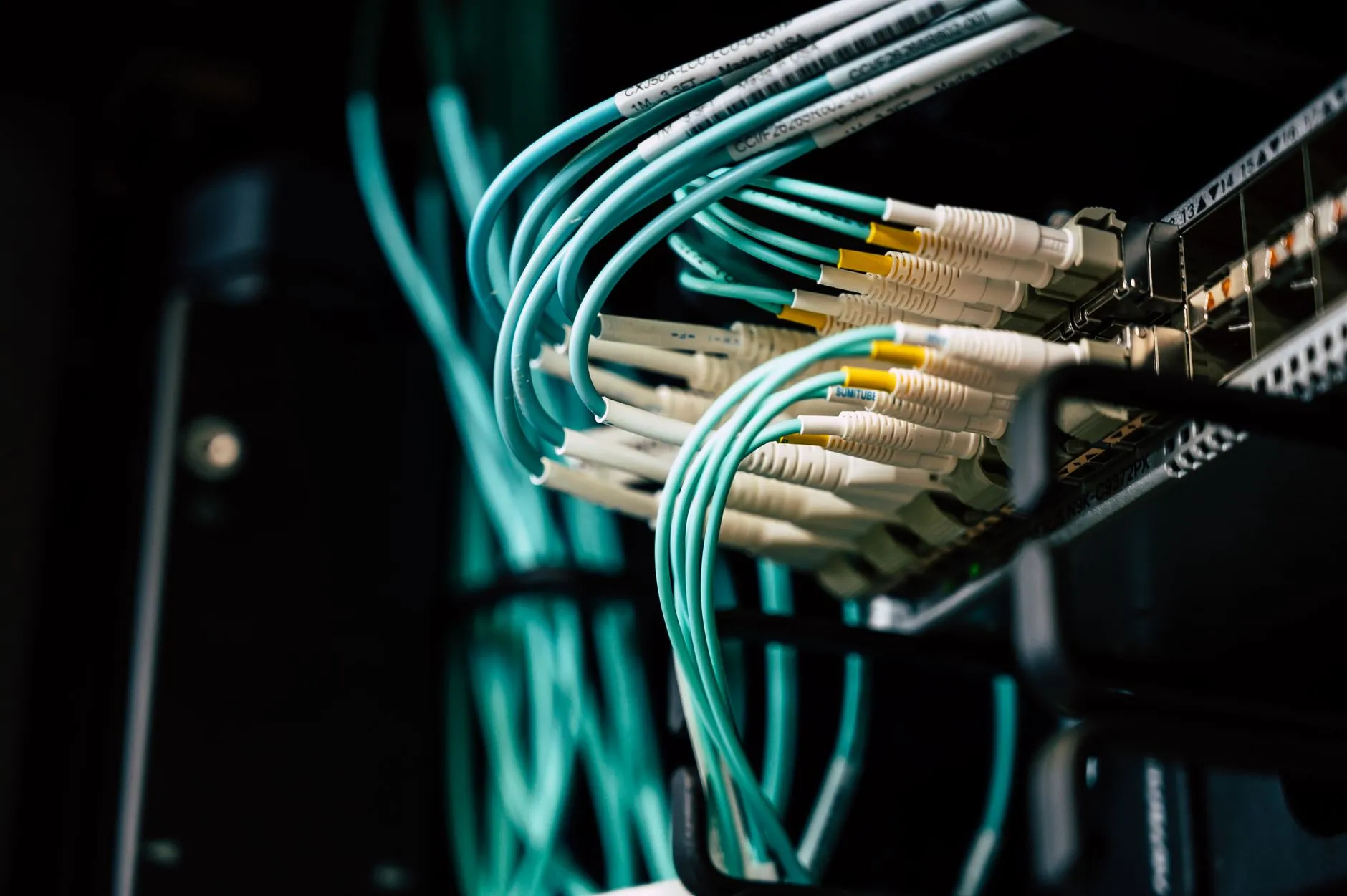
Short answer: third-party server and hardware maintenance usually costs less than a manufacturer (OEM) support contract once a server, storage array or switch is out of warranty, and it is often the only practical option after the manufacturer declares the model end of service life (EOSL). OEM support is still the right call for equipment inside its warranty, for platforms whose firmware is released only to contract holders, and where a compliance regime names the manufacturer. What decides the choice is not the price on the quote but three things: how fast an engineer arrives, where the spare part for your model physically sits, and what the contract excludes. This guide shows how to compare them, with Brocent's published service levels as the worked example, and how to run a pilot before you move anything.
What is the difference between OEM support and third-party hardware maintenance?
OEM support is a contract with the company that made the equipment. It covers that manufacturer's products only, for a fixed term, and it is the only channel for some firmware, software and compliance statements.
Third-party maintenance (TPM) is a contract with an independent provider that covers the equipment you actually run, usually several brands and several generations, under one agreement. The provider holds spares, diagnoses faults and sends an engineer to replace the part.
The two are not rivals in every case. Many Hong Kong and Singapore estates run both: new equipment under the manufacturer's warranty, older equipment under a third-party contract. The decision is made unit by unit, not once for the whole estate.
- OEM contract: one brand, vendor-controlled firmware access, ends when the model reaches EOSL, renewal price set by the manufacturer.
- Third-party contract: many brands under one SLA, support continues past EOSL using sourced parts and in-house expertise, price set by the provider and negotiated for the estate.
- Brocent's own AMC-style option: the same coverage as an annual maintenance contract but without a fixed term, so scope can grow or shrink as the estate changes.
When does third-party maintenance cost less, and when does it not?
Third-party maintenance tends to cost less where the equipment is stable, widely deployed and past its warranty, because the provider is selling coverage for a known failure pattern and holds the parts already. It tends not to save money where the equipment is new, rare, or tied to a vendor-only subscription.
Rather than quote percentages that depend on the model and the year, compare four lines on both quotes:
1. Contract fee per year, for the same equipment list.
2. Response and fix commitments, in hours and in the form "engineer on site with the part", not "response".
3. What is excluded: consumables, cosmetic parts, firmware entitlement, anything flagged as end-of-life.
4. Cost of the failure you are insuring against: a day of downtime at your headcount, which is usually larger than either contract.
If you want the full cost drivers for the hardware service itself, read IT hardware maintenance services in Asia, which is the what-is and what-is-included guide. This article is the decision between the two routes.
How do the SLAs compare? Response time is not the same as fix time
An SLA table can look identical on two quotes and mean very different things. Ask these questions of both:
- Does the clock start at the alert, the ticket or the engineer's dispatch? Monitoring that raises the alert itself starts the clock earlier than waiting for a user to report.
- Is it response, on-site arrival, or restoration? A two-hour response without a part on the shelf is a two-hour email.
- Which hours? 5×8 and 24×7 windows are priced very differently, and a fault at 02:00 on a Sunday only counts under the second.
- What happens if the part is not in the region? This is where providers actually differ.
For reference, Brocent's published service levels work like this. The standalone NOC plans use a 5×8 window with a 2-hour elapsed-time SLA (Starter) or a 4-hour one (Pro), and the Enterprise plan uses a 24×7 response window with a priority escalation path. For Managed IT clients the service level agreement defines P1 to P5, with a 15-minute first response on a P1, and under the 24×7 service window (Premium plan) P1 and P2 emergencies carry a 4-hour on-site response at any time. The detail of each plan is on the network, server and wireless maintenance pricing page.
A useful rule when you read any provider's SLA, including ours: ask which city its parts for your exact models are stocked in. An on-site response time only means something if the engineer can arrive with the component.
Where do the spare parts sit?
This is the question that separates the two routes in practice, and it is rarely on the quote.
- OEM: the manufacturer's logistics decide. For common models in a major city, parts are usually in region. For older models, the part may be shipped from overseas, and the quoted response may mean "we will start the shipment".
- Third-party: the provider's own stock decides. A provider with warehouses in the countries where you operate can plan repairs around in-region stock. Brocent holds hardware and spare parts in warehouses across multiple countries and regions, tracked in a warehouse system with an asset ID and barcode label matched to the rack and shelf location, so the engineer can bring the right part to site rather than order it after the visit.
For a longer treatment of how spares are modelled, see spare parts management for hardware maintenance in Asia.
What about end-of-support equipment?
Manufacturers set their own end-of-service-life dates, and support generally ends when a model reaches EOSL. At that point an OEM contract is either unavailable or offered only as a premium extension. Third-party maintenance keeps the equipment running on sourced parts and in-house expertise, which buys time to plan a replacement instead of rushing one.
Be honest about the limits when you buy this:
- A model with scarce parts can still fail in a way that cannot be repaired. Ask how the provider sources parts and what happens if a part cannot be found.
- Security patches stop when the manufacturer stops releasing them. Third-party maintenance repairs hardware; it does not restore a patch stream. If the equipment faces the internet or holds regulated data, treat EOSL as a replacement deadline, not a permanent state.
- Put a replacement date in the plan. The contract is a bridge, not a destination.
A worked example of this situation, a storage array and two hosts that left vendor support, is in server maintenance in Hong Kong after end of support.
When should you stay with the manufacturer?
Keep or choose OEM support when:
- The equipment is new and inside its warranty. Moving it earlier buys nothing.
- Firmware or software updates are released only through the manufacturer's contract, and you need them.
- A compliance regime or customer contract names the manufacturer as the support party.
- The platform is so specialised that independent parts and expertise are thin.
A responsible third-party provider tells you this at the assessment rather than moving the unit to its own contract. Brocent offers a free on-site assessment and quote, and its purpose is to confirm which units can be taken under contract and on what terms before anything is signed.
How should you run a pilot?
Do not move the whole estate on a quote. A pilot that takes two to four weeks of planning and a quarter of observation tells you more than any proposal.
1. Pick a representative slice. Choose a few units of different ages and criticality, not only the oldest or only the easiest.
2. Record a baseline. Faults per quarter, time to fix, who was involved, what the OEM actually did.
3. Agree the test conditions in writing. The exact models, the response window, the escalation path, and what counts as a failure of the service.
4. Check the parts claim. Ask for the stock location of the parts for your pilot models, and ask for a sample asset record.
5. Run a fault drill. With the provider's agreement, trigger a controlled fault, for example pulling a redundant power supply on a non-critical unit, and watch the alert, diagnosis and parts path end to end.
6. Review after one quarter. Compare against the baseline, then decide to extend, change or stop.
What does hardware maintenance cost with Brocent, and where are the figures?
There is no single hardware maintenance price, because the right commercial model depends on whether you already have a Managed IT plan with Brocent. All three paths are published, and this article does not retype the numbers so they cannot go stale:
- You are on a Managed IT plan: network and wireless maintenance (per month, for up to 10 devices) and virtual server maintenance (per server, per month) are plan add-ons, priced per market for Hong Kong, Singapore and mainland China on the network, server and wireless maintenance pricing page.
- You only want the infrastructure monitored: the standalone NOC plans, with Starter and Pro priced per month and Enterprise quoted per device. Each plan has three published billing parts: a one-time onboarding charge, an annual licence for the monitoring tools, and the monthly backline support fee.
- You need a one-off visit or a project: break-fix visits are billed per visit at the published dispatch rates, set by country.
Larger estates, such as several data-centre racks, arrays past end of support, or spares held specifically for your equipment, are quoted after the on-site assessment, because the price is driven by which parts must be held and where, not by a per-device table. For Singapore buyers who are used to an annual maintenance contract, Singapore AMC renewal covers what to check at renewal.
For the service itself and the free assessment, see IT hardware maintenance services.
A checklist to take into both vendor meetings
- Which exact models and serial counts are covered, and which are excluded?
- Is the SLA response, on-site arrival or restoration, and when does the clock start?
- Which hours: 5×8 or 24×7? What happens on public holidays?
- Where are the parts for my models stocked, and who holds them?
- What is the process for a part that cannot be found?
- What is excluded: consumables, cosmetic parts, firmware entitlement?
- Is there a fixed term or an early-exit fee?
- Who owns the escalation if the fault turns out to be a firmware problem only the manufacturer can fix?
- What reports and records do I receive for audit?
- What is the replacement plan for end-of-support units?
Frequently asked questions
Is third-party hardware maintenance cheaper than OEM support?
Often for stable equipment out of warranty, but not always, and the quote fee is only one of the four lines to compare. Compare the same equipment list, the SLA in hours, the exclusions and the cost of downtime.
Does moving to third-party maintenance void the manufacturer warranty?
Not on equipment that is still in warranty if you leave it under the manufacturer's coverage. The sensible approach is to move only units whose warranty has ended. Check the terms of your own warranty and contract.
Can third-party maintenance support equipment the manufacturer no longer supports?
Yes, that is its main use. It keeps the equipment running on sourced parts and in-house expertise. It repairs hardware but does not provide manufacturer security patches, so plan a replacement date.
What is the difference between an SLA's response time and its fix time?
Response is when someone starts working on the fault. Fix, or restoration, is when the service is back. Hardware faults also depend on the part being available, so ask for on-site arrival with the part.
How do I test a provider before committing?
Run a pilot on a representative slice of equipment: record a baseline, agree conditions in writing, check where the parts are stocked, run a controlled fault drill and review after a quarter.
Does Brocent require a fixed-term contract?
No. Brocent has no fixed-term contracts for hardware maintenance, and scope can grow or shrink as your estate changes.
Does this apply to Singapore and mainland China, not just Hong Kong?
Yes. Brocent delivers hardware maintenance with its own engineers in Hong Kong, Singapore and mainland China. In Singapore, hardware maintenance is usually bought as an annual maintenance contract (AMC), and Brocent offers the same coverage without the fixed annual term.
Next step
Start with your equipment list: model, age, warranty status and what the manufacturer's renewal quote says. Then compare it against a third-party quote on the four lines above. If you would like a second set of eyes, read the IT hardware maintenance services page and the pricing, or talk to a Brocent consultant and ask for the free on-site assessment, which confirms which units can be taken under contract and on what terms before anything is signed.
Share:
Ready to take action?
Turn these insights into a roadmap for your business.
Book a 15-minute no-obligation consultation with our APAC IT experts. We'll review your current setup and provide a tailored IT roadmap within 24 hours.
Explore all servicesFree Checklist
10 Critical Checks Before Expanding IT to Greater China
PIPL compliance, network segmentation, bilingual helpdesk setup, and more — everything your IT team needs before Day 1 in China.
Request the checklist →📬 Monthly Asia IT Insights
China compliance updates, cybersecurity alerts, and IT tips for APAC teams — once a month.
No spam. Unsubscribe anytime.
Related Articles

Jul 24, 2026
IT Hardware Maintenance: Third-Party vs OEM Support, SLAs & Cost (2026)

Oct 23, 2026
Server Maintenance Company in Hong Kong: Post-Warranty Support, SLAs & What to Compare (2026)

Jul 20, 2026
End-to-End Spare Parts Management for a Global Hardware-Maintenance Leader: A 10-Year Warehouse-and-Field Partnership Across Greater China and Singapore