How to Use DeepSeek to Draft Customs and Import Paperwork for IT Hardware Entering China
A practical workflow for turning a purchase order into a broker-ready bilingual customs package for IT hardware entering China — and the places where a wrong guess about classification or value gets expensive.
The short answer: DeepSeek's bilingual strength makes it genuinely useful for drafting the English-Chinese commercial invoice, packing list and product descriptions behind a China hardware import — and for producing a first-pass HS classification question to put to your broker. It drafts. A licensed customs broker files, and stays accountable for what is declared.
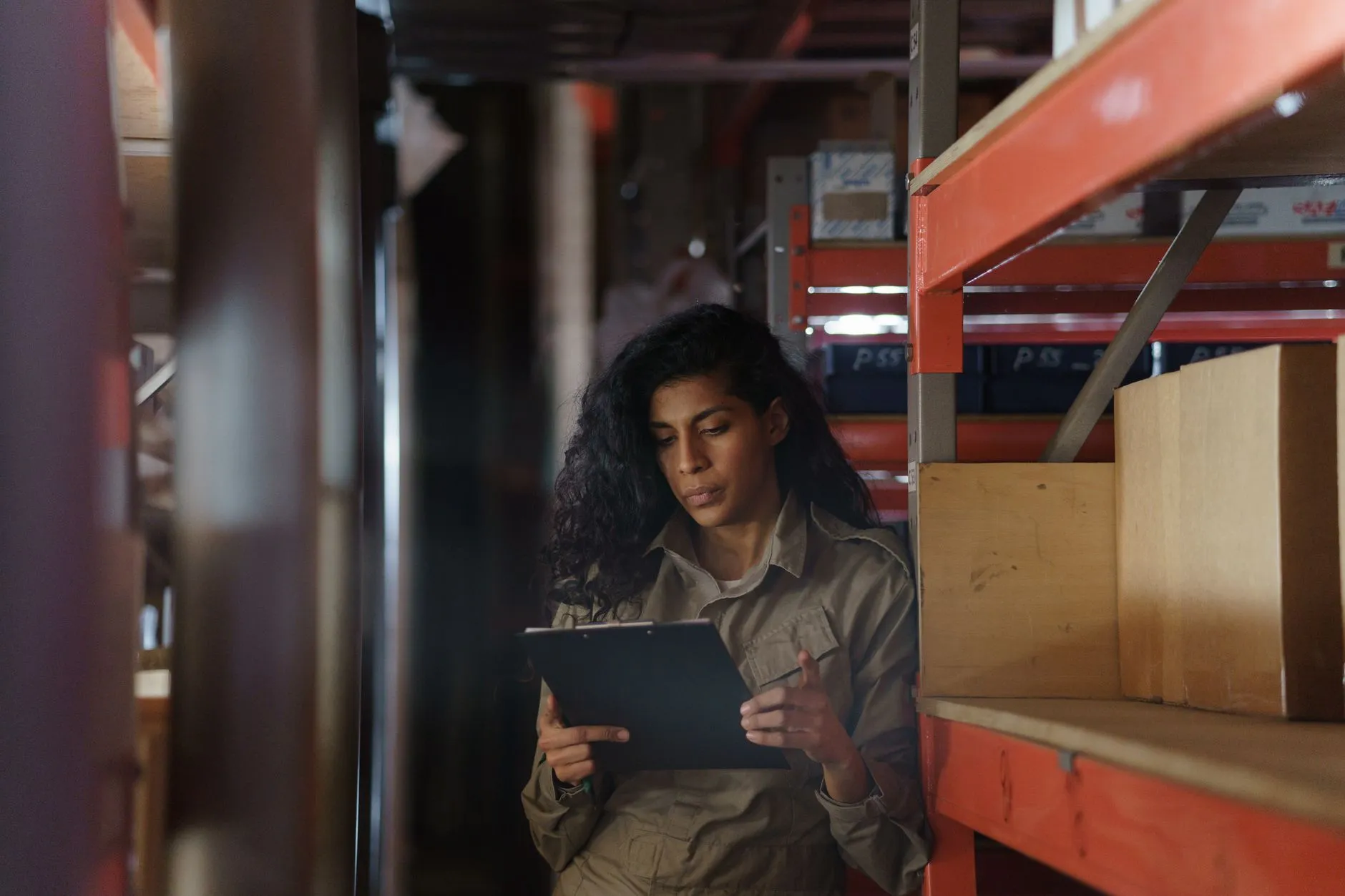
Forty-two access points, six switches and two firewalls ship from Singapore to a new plant in Suzhou. The purchase order exists in Excel. The freight forwarder has been booked. The procurement coordinator who owns this — one person, who also handles three other rollouts — has a template commercial invoice from the last shipment and a WeChat thread with the broker.
Nine days later the shipment is sitting in a bonded warehouse because the product descriptions on the invoice say "wireless access point" where the declaration needs a specific commodity classification, the packing list carton count does not match what physically arrived, and one line item is a radio transmission device that nobody checked for type approval before it left.
None of that is a hard problem. All of it is a paperwork problem, made worse by being bilingual, repetitive, and owned by somebody whose actual job is something else.
That is a drafting problem — and the one place where a China-context bilingual model earns its use over an English-first one.
Why IT Hardware Shipments Stall at the Border Over Paperwork, Not Product
Customs does not reject a switch. It rejects a set of documents that disagree with each other or with the goods.
The commercial invoice, the packing list, the contract and the physical cartons all have to tell one consistent story: the same line items, the same quantities, the same descriptions, the same values, the same units. A shipment assembled by a warehouse team and documented by a procurement coordinator in another country routinely produces four slightly different stories, and any single mismatch is enough to hold the container.
Descriptions are the most common failure. A declaration needs a commodity description precise enough to support a classification — brand, model, function, material where relevant, and enough detail to distinguish it from an adjacent category. "Networking equipment" is not a description. Neither, usually, is the marketing name on the box.
Then there are the requirements that attach to the specific goods rather than to the paperwork. IT hardware brings several: China Compulsory Certification for certain product categories, SRRC type approval for radio transmission equipment such as access points, and MIIT network access licensing for some telecom equipment. Rules on encryption functionality apply to some products. All of these change, and all of them are checked against what you declared.
The cost of getting this wrong is rarely a fine. It is a rollout that slips two weeks while engineers who were flown in wait for boxes.
What DeepSeek Can Actually Help Draft
DeepSeek is a Chinese-developed model with strong performance in both Chinese and English, which matters here for a specific reason: this paperwork is genuinely bilingual, and the Chinese half has to read like customs Chinese rather than like a translation. Model capabilities and available deployment options change; check current documentation for what your chosen access route supports.
Two outputs are worth the hour.
Bilingual commercial invoices and packing lists matched to what's actually shipping
Give it the purchase order lines, your standard invoice template and the actual carton manifest from the warehouse, and ask it to produce an English-Chinese document set where every line reconciles: quantities matching the manifest, values matching the PO, descriptions consistent across both documents in both languages.
The specific thing it does well is the reconciliation pass. Ask it to compare the PO, the invoice draft and the packing list line by line and report every discrepancy — quantity mismatches, items on one document and not another, unit inconsistencies — before anything is sent. That check takes a person forty minutes and a model seconds, and it is the check that would have caught the carton count.
It is also good at expanding thin product descriptions into declaration-grade ones: taking "AP-515" and, with the datasheet pasted in, producing a bilingual description that states what the device is, what it does, and its relevant physical and functional characteristics.
A first-pass HS classification question to put to your broker
This is the part to be careful about. Commodity classification is a legal determination with duty, tax and licensing consequences, and it belongs to your broker and to customs, not to a chat window.
What a model can usefully do is narrow the question. Given a product description, it can identify the plausible classification headings, explain what distinguishes them, and list the specific product facts that decide between them — whether the device transmits radio, whether it is a complete unit or a part, what its principal function is. The international six-digit HS root is shared globally; the digits after it are national, and China's are its own.
The output you want is not a code. It is a paragraph for your broker that says: here is the product, here are the two headings we think it falls between, here is the fact we believe decides it — do you agree? That message gets a fast, confident answer. "What's the HS code for this?" gets a slow one.
A Practical Workflow — From a Purchase Order to Broker-Ready Paperwork
1. Assemble the three sources first. The purchase order, the manufacturer datasheets for each distinct model, and the actual carton manifest from whoever packed the shipment. If the manifest does not exist yet, the paperwork is premature — that is the single most common cause of a mismatch.
2. Decide what may leave your systems. Supplier pricing, contract terms, the end customer's name and site address are commercially sensitive. Unit values are needed for the invoice; the rest usually is not. Strip what the document does not require, as a rule rather than a judgement.
3. Draft the English document set first, then the Chinese, then reconcile them. Ask for the Chinese version to follow standard trade-document conventions rather than reading as a literal translation. Then ask it to compare the two versions line by line and flag any place where they do not say the same thing.
4. Run the three-way reconciliation as an explicit step. "Compare the PO, the invoice draft and the packing list. List every discrepancy in quantity, description, unit and value. Do not correct them — list them." Listing rather than correcting matters: a silently corrected mismatch hides the fact that your manifest and PO disagree.
5. Ask for the classification question, not the classification. For each distinct model, request the candidate headings, the distinguishing criteria, and the product facts that decide between them. Add: "state clearly what you do not know from the information given."
6. Ask for a separate regulatory checklist per model. Whether the product category may require compulsory certification, radio type approval, network access licensing, or has encryption functionality worth flagging. Treat every item as a question for the broker, not an answer — these rules change and a model's knowledge of them has a date on it.
7. Send the broker the package, not the questions in pieces. Draft invoice, draft packing list, datasheets, your classification reasoning and your checklist, in one message. A broker given a coherent package responds in hours; a broker given a trickle of questions responds in days.
8. Let the broker correct it, and keep their corrections. Feed the corrected classification and description back into your template. The second shipment of the same equipment is then almost entirely automatic, which is where the real time saving lives.
AI-Assisted Draft Paperwork vs a Licensed Customs Broker vs Doing It Fully In-House
- AI-assisted drafts. Fast, tireless on bilingual consistency, and very good at catching the reconciliation errors that hold shipments. It carries no legal standing, its regulatory knowledge has a cutoff date, and it will produce a confident classification if you ask for one. Correct use: producing a clean, self-consistent package for a broker to check.
- A licensed customs broker. Legally responsible for the declaration, current on rules that changed this quarter, and able to talk to customs when something is queried. That accountability is the product. The reason to automate the drafting is precisely so their time goes on judgement calls rather than on retyping your packing list.
- Doing it fully in-house. Viable for a company shipping the same goods on the same route every month, with someone who has done it for years. For an occasional importer sending a rollout's worth of network gear twice a year, it means learning an unforgiving system slowly, one held shipment at a time.
The combination that works for most companies is the first two: a clean drafted package, checked and filed by someone accountable.
Where a Wrong Guess Gets Expensive
A misclassified item changes the duty rate and can change the licensing requirement. The consequence is not only money. A classification that implies a regulatory approval you do not hold turns a customs question into a compliance one, and those take weeks rather than days.
An under-declared value is not a paperwork error. Customs valuation has its own rules, and a declared value that does not match the commercial reality of the transaction is a serious matter with penalties attached. This is not an area to optimise, and certainly not on a model's suggestion.
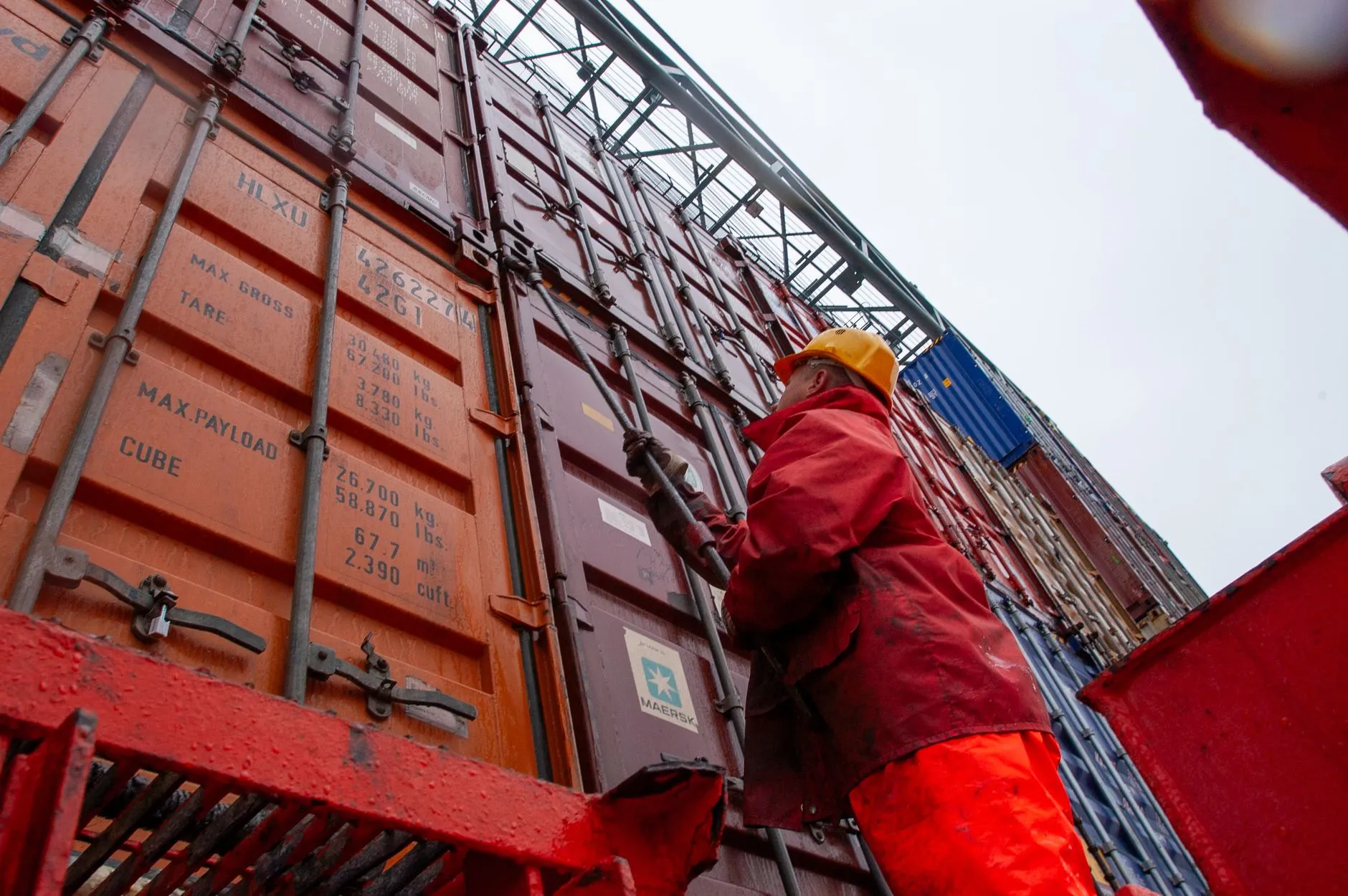
A held shipment costs more than it appears to. Storage and demurrage accrue daily, but the real cost is schedule: engineers scheduled for a cutover weekend, a site handover date, sometimes a lease that starts whether the network exists or not.
Regulatory knowledge ages badly. Certification scopes, approval requirements and control lists change. Anything a model tells you about what a product category requires is a question to verify, never a fact to rely on — and this is the single most important limit to hold in mind.
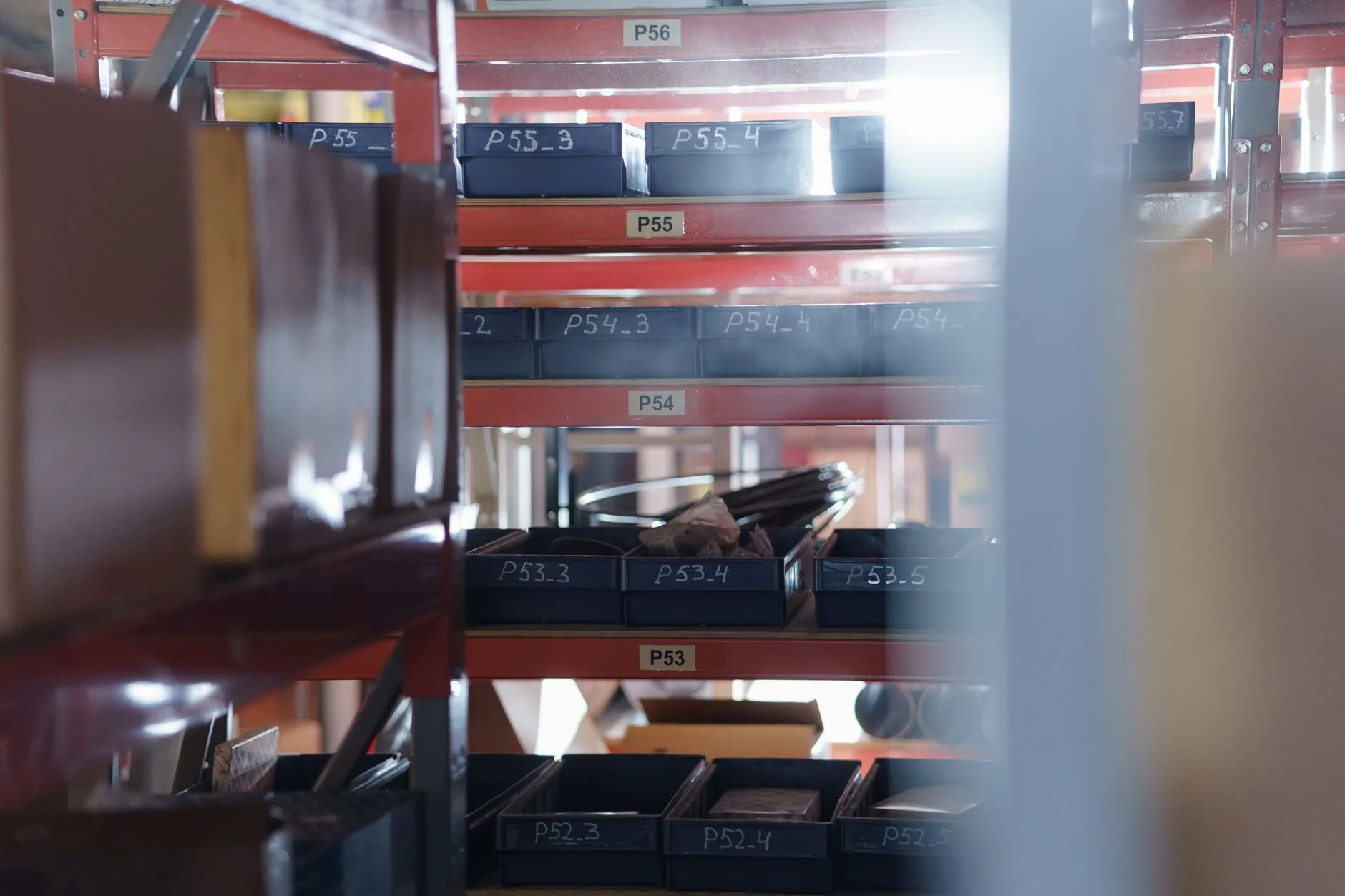
The model cannot see the cartons. If the warehouse packed forty-one access points and the manifest says forty-two, every downstream document will be internally consistent and collectively wrong.
Getting This Right — Broker Sign-Off, Data Accuracy, and When to Bring in IT
Nothing goes to customs without a named person signing it off. The broker's review is not a formality to be compressed when the schedule is tight. If your process has a step where "the draft looked fine so we filed it," that step is where the problem will eventually come from.
Decide what shipment data may go into an AI tool, once, at company level. Supplier pricing, contract terms and end-customer identities are commercially sensitive; cross-border transfer of business data has its own considerations depending on where the tool runs and which entity is using it. Consumer, business and enterprise access tiers differ in retention and training terms and those terms change — check the current documentation for your specific plan rather than assuming.
Fix the input, not the output. Almost every documentation failure traces back to a manifest that was never reconciled with the PO. A twenty-minute discipline at the warehouse end removes more risk than any amount of clever drafting downstream.
Keep the corrected version, not the draft. The value compounds across shipments only if the broker's corrections go back into the template. Most companies redo the same work every time because nobody owns the template.
Deciding where AI belongs in a logistics workflow, and writing the prompts and data rules that make it repeatable, is AI+ Support work; the accounts, access control and data handling underneath it are ordinary managed IT support. The physical half — receiving hardware into a China-based facility, staging and configuring it before it goes to site, holding spares, and getting equipment to a plant on a date somebody committed to — is our warehouse-as-a-service practice. Once the boxes have landed, our write-ups on reconciling IT asset inventory across China sites and running a China-compliant internal AI assistant cover what happens next.
Frequently Asked Questions
Does this replace a licensed customs broker?
No, and the distinction is legal rather than practical. A broker is accountable for the declaration, deals with customs when a shipment is queried, and is current on rules that changed since any model's training data. What this replaces is the hours of bilingual retyping and cross-checking that currently sit between your purchase order and their inbox.
Can it get an HS code wrong?
Yes, easily and confidently, which is why the workflow above asks for the classification question rather than the classification. Classification depends on product facts that are often not in a datasheet and on national rules the model may not have current. Use it to identify what the decision hinges on, then let your broker decide.
Is our shipment and pricing data safe going through the model?
Treat it as commercially sensitive and act accordingly. Send only what a customs document actually requires, strip supplier terms and end-customer identities, and know your access tier's retention and training terms — checking the current documentation rather than assuming. Where the tool runs and which legal entity uses it also matter for cross-border data considerations; decide this once at company level.
How is this different from what our freight forwarder already provides?
A forwarder moves the goods and often prepares documents from what you send them. If what you send is inconsistent, the documents will be too — the reconciliation still has to happen somewhere, and today it usually happens at the border. This workflow moves that check upstream, before anything is submitted.
Why DeepSeek rather than an English-first model?
Because half the output is Chinese, and it has to read like standard trade documentation rather than translated English. A China-context bilingual model handles the terminology and document conventions more naturally. For the English half specifically, any capable model will do — the differentiator is the Chinese half and the domain familiarity around it.
Share:
Ready to take action?
Turn these insights into a roadmap for your business.
Book a 15-minute no-obligation consultation with our APAC IT experts. We'll review your current setup and provide a tailored IT roadmap within 24 hours.
Explore all servicesFree Checklist
10 Critical Checks Before Expanding IT to Greater China
PIPL compliance, network segmentation, bilingual helpdesk setup, and more — everything your IT team needs before Day 1 in China.
Request the checklist →📬 Monthly Asia IT Insights
China compliance updates, cybersecurity alerts, and IT tips for APAC teams — once a month.
No spam. Unsubscribe anytime.