Who's Watching at 3 AM? A Hong Kong Retailer's SOC Decision
A composite scenario from Hong Kong: a multi-outlet retail chain's ops director asks a simple question during a security review — who is actually watching our systems at 3 AM — and the honest answer is nobody. Why the fix isn't another tool, and how SOC as a service closes the gap between detection and response.
Published
A Hong Kong retail chain's ops director asked a simple question during a security review: "Who is actually watching our systems at 3 AM?" The honest answer was nobody — every alert-generating tool the company owned was sending notifications to an inbox nobody checked overnight. This is a composite scenario, not a named client, built around a decision Brocent sees regularly: SOC as a service vs. adding one more tool.
Ten Outlets, One Head Office, Zero Overnight Eyes
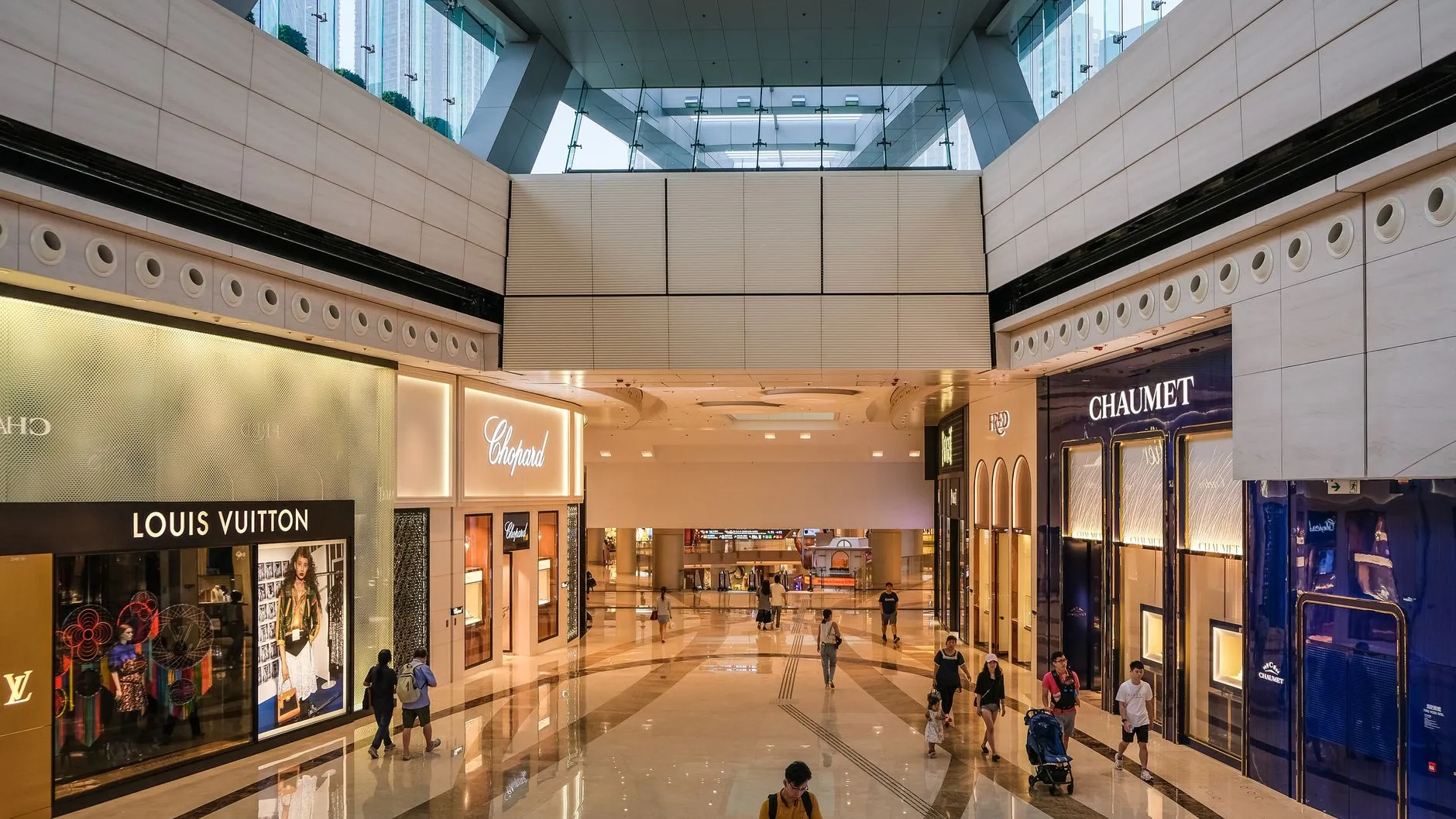
The scenario is a Hong Kong retail chain running 10 to 15 outlets across the territory — a mix of flagship stores in Causeway Bay and Mongkok, smaller neighbourhood locations, and a warehouse feeding stock between them. Each outlet runs point-of-sale terminals, a local network for inventory scanning, and a back-office PC or two for staff scheduling and stock reconciliation. All of it reports back to a head-office server and a handful of cloud platforms — the POS system's cloud dashboard, the accounting package, email and file storage.
None of it is unmanaged, exactly. There's a firewall at head office. Each PC runs antivirus. Email has a spam and phishing filter. The POS vendor's own dashboard throws up alerts when a terminal goes offline. On paper, the environment looks reasonably covered.
The gap shows up at a specific moment: the company's ops director, prepping for an annual security review with a landlord's IT compliance team, tries to answer a straightforward question — if something malicious happened at 2 AM on a Tuesday, who would know, and how fast? The honest answer, after actually checking, was: nobody would know until someone opened their laptop the next morning and started reading through a backlog of notification emails.
That's not a hypothetical failure mode for multi-outlet retail. Stores close at night, but the systems inside them don't power down — POS servers stay on to sync overnight, back-office PCs stay connected to head office, and the network keeps running. A ransomware deployment, a compromised POS terminal skimming card data, or an intruder pivoting from a phished email account doesn't wait for business hours. The tools that would have caught it were already installed. What was missing was someone watching them in real time, all the time.
There's also a structural reason multi-outlet retail specifically feels this gap harder than a single-site business does. Ten to fifteen outlets usually means ten to fifteen networks that all eventually connect back to the same head-office infrastructure — sometimes over a shared VPN, sometimes through a common cloud POS platform, sometimes both. That's efficient for running the business, but it also means a problem that starts at one outlet's till isn't necessarily contained to that outlet. Payment card data flowing through POS terminals raises the stakes further: a compromised terminal isn't just a local IT headache, it's a potential card-data exposure with its own compliance and reputational fallout, the kind of story that ends up in front of a landlord, a payment processor, or the press rather than staying an internal matter. None of that changes what tools the business needs to own — it changes how much it costs to have those tools go unwatched for fourteen hours a night.
Alerts From Everywhere, Correlated by No One
Walk through what actually happens when each of those tools does its job. The firewall logs a suspicious outbound connection from one outlet's network at 1:40 AM and generates an alert. The antivirus on a back-office PC flags a file behaviour anomaly at 2:15 AM and quarantines it — or tries to. The email security filter catches (or, on a bad day, doesn't catch) a phishing email sent to a store manager's inbox at 11 PM the night before. Each of these systems is doing exactly what it was bought to do: detecting something and generating a notification.
The problem isn't detection. It's that these are three separate tools, each shouting into its own inbox, with no one correlating them into a single picture. A firewall alert and an antivirus alert an hour later, on the same outlet's network, at 2 AM, are not two unrelated events — taken together they look like an active intrusion in progress. Taken separately, each one lands in a queue that gets triaged (if it gets triaged at all) when someone arrives at the office the next day.
This is the structural weakness in a "buy more security tools" strategy that many growing retailers land in without meaning to: each new tool solves one problem and adds one more alert stream, but none of them talk to each other, and none of them are being watched outside office hours. Adding a fourth or fifth tool doesn't close the overnight gap — it adds a fourth or fifth inbox nobody is checking at 3 AM.
What Alert Fatigue Actually Costs a Retailer
The consequences of this setup aren't abstract. Three show up consistently in multi-outlet retail environments like this one:
Real signals get lost in noise. A single outlet's firewall can generate dozens of automated alerts a day — most of them benign, a handful worth a second look, and one or two, on a bad week, that represent a genuine problem. Without someone correlating and triaging that volume continuously, the team's own instinct is to start ignoring the queue, because the signal-to-noise ratio makes it feel like crying wolf. That's exactly the environment where a real incident hides in plain sight.
Nothing happens between the hours of 7 PM and 9 AM. For a retailer with staff and systems running across 10-plus locations, that's a 14-hour daily window — and the whole weekend — where detection exists but response doesn't. An alert that fires at 2 AM Saturday sits untouched until Monday morning, by which point a contained problem may have spread across outlets sharing the same network segment.
Tools that detect don't investigate or act. Antivirus quarantines a file; it doesn't ask whether that file is part of a larger attack pattern, whether the same indicator has shown up at another outlet, or whether the account that opened it needs to be locked down immediately. A firewall blocks a known-bad IP; it doesn't chase down what else that connection might have already touched. Detection tools are built to flag — acting on the flag, at the moment it matters, is a separate job that none of them do.
Put those three together and the pattern is consistent: this isn't a story about bad tools or an under-invested retailer. Every layer that's supposed to exist, exists. The failure mode is entirely about the gap between detection and response — a gap measured in hours overnight and in whole weekends, during which a contained, single-outlet problem has time to become a multi-outlet one.
The Real Question Isn't Which Tool — It's Who's Watching
This is the point where the buying decision usually gets framed wrong. The instinct, once the overnight gap becomes obvious, is to shop for a better tool — a more sophisticated firewall, a pricier antivirus suite, an "AI-powered" alerting product. Brocent's view, built from working with HK retailers on exactly this problem, is that the tool isn't the gap. The retailer in this scenario already owns tools that would have caught the incident. What it doesn't own is a team watching those tools continuously and acting the moment something looks real.
That reframes the question from "which product do we buy next" to "who watches, all the time, and does something about it when it matters." That second question is what SOC as a service actually answers, and it's a materially different purchase than another point tool. A SOC doesn't replace the firewall, the antivirus, or the email filter — it sits across all of them, correlating what each one sees into a single picture, and puts trained analysts on that picture around the clock, not just during business hours.
It's worth being precise about a distinction that trips a lot of buyers up here: managed IT plans already include 24/7 NOC monitoring as standard — Brocent's own plans monitor servers, network, endpoints and cloud infrastructure around the clock for availability and performance issues. That's valuable, but it's a different job from what a SOC does. NOC monitoring asks "is this system up and running correctly?" A SOC asks "is this system being actively attacked, and does the pattern across all our systems indicate a real incident?" One watches for outages; the other watches for adversaries. A multi-outlet retailer usually already has the first. The 3 AM gap in this scenario is specifically about not having the second.
What 24/7 Coverage Actually Looks Like in Practice
Concretely, closing that gap means three things working together, which is what Brocent's Security Operations Center (SOC) service is built around: continuous monitoring across the existing security stack (not a replacement for it), correlation of what each tool is seeing into one picture, and a defined escalation path so a real incident gets a human response within minutes, not a Monday-morning review.
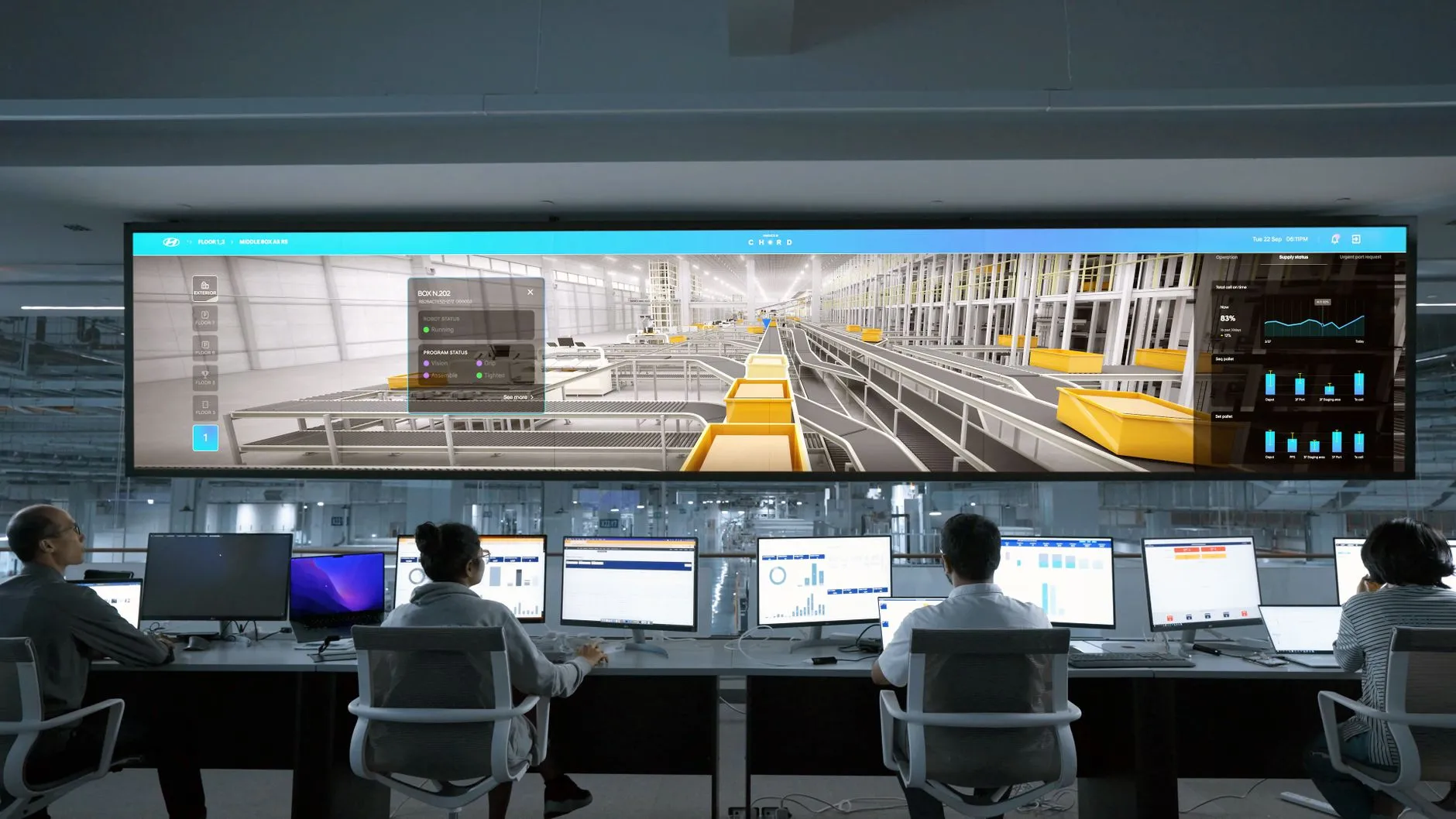
In practice that looks like: logs and alerts from the firewall, antivirus/EDR, email security and POS platform all flow into a monitoring platform that correlates events in real time — the same firewall-then-antivirus pattern at 2 AM described above gets flagged as a single, escalating event, not two disconnected tickets. Certified analysts are watching that picture continuously, with a defined process for triaging severity and escalating anything that looks like a real incident. When something is confirmed, the response starts immediately — isolating what needs to be isolated and notifying the retailer's own team — rather than waiting for someone to open their inbox the next business day.
Brocent's own managed IT security services already build in a version of this — a 24×7 security NOC that receives alerts, analyses them and takes remediation action across endpoints, email, network and cloud — with ISO 27001 and CISSP-certified consultants behind it. It's also worth noting this isn't a new or unusual idea inside Brocent's own delivery model: managed SOC coverage is one of the standard security domains listed in Brocent's own client onboarding process as a service most retail and SME clients evaluate alongside penetration testing, vulnerability scanning and managed antivirus during their first security review — this isn't a bolt-on afterthought, it's a documented, standard part of the security conversation Brocent has with every new client.
None of this requires the retailer to hire, train and staff a 24-hour security team of its own — which, for an operation this size, isn't a realistic option anyway (more on that below). It's worth being explicit about why: round-the-clock coverage isn't one person on call, it's a rotation of certified analysts across three shifts, seven days a week, plus a SIEM platform to correlate the telemetry those analysts are watching, plus someone senior enough to keep tuning the correlation rules so real alerts don't drown in false positives. For a business running 10-15 retail outlets, that's a specialist function bolted onto an operation whose core competency is retail, not security operations — which is precisely the kind of function a managed service exists to absorb rather than the retailer having to build it from scratch.
Three Ways to Handle "Who's Watching After Hours"
- Tools Without Monitoring — the starting point for most retailers this size. Firewall, antivirus and email security are all in place and doing their job, but each one's alerts go to an inbox that's checked during business hours only. Detection exists; overnight response doesn't. Cheapest option on paper, but the 3 AM gap stays open indefinitely.
- Building an In-House SOC — full control over the process, staffed and run entirely in-house. In practice this means recruiting and retaining certified security analysts around the clock (realistically a minimum of several full-time hires to cover 24/7/365 shifts, plus a SIEM platform license and ongoing tuning), which is a cost and hiring commitment most 10-to-15-outlet retailers can't justify against the size of the risk they're covering.
- SOC as a Service (the Brocent model) — 24/7 monitoring, correlation and analyst response layered across the tools the retailer already owns, without building or staffing a team internally. Coverage without the hiring problem, priced as an ongoing service rather than a capital project.
Frequently Asked Questions
What's the difference between MDR and SOC as a service?
MDR (Managed Detection and Response) is typically scoped to endpoints — it deploys and manages EDR software on individual devices, with automated containment when something is flagged on that specific machine. SOC as a service is broader: it watches the entire environment — endpoints, firewall, email, cloud platforms and, in a retail environment, POS systems — and correlates what all of them are seeing into a single picture, with human analysts making the call on anything ambiguous. In practice the two are complementary rather than competing: EDR/MDR tooling on the endpoints feeds into the same SOC that's watching everything else, rather than sitting as an isolated alert stream on its own.
Do we need a SOC if we already have antivirus and EDR?
Antivirus and EDR are single-point tools — they watch one device and act on what that device sees. A SOC is the layer that watches everything at once and correlates events across tools, which is exactly the gap in the 3 AM scenario above: none of the individual tools were wrong, but nothing was combining what they each saw into a picture worth acting on overnight. Keeping antivirus/EDR and adding SOC-level monitoring on top is the normal setup, not a replacement decision.
How fast is the response after hours?
The point of SOC as a service is that "after hours" stops being a gap at all — monitoring and analyst coverage runs 24/7/365, not on a business-hours schedule with an on-call pager. A confirmed incident gets a response the moment it's confirmed, at 3 AM on a Saturday exactly as it would at 3 PM on a Tuesday, rather than sitting in a queue until the next business morning.
Does SOC replace our existing security tools or work alongside them?
Alongside. A SOC doesn't remove the firewall, antivirus or email filter — those stay exactly where they are, generating the same alerts they always have. What changes is that those alerts now flow into continuous, correlated monitoring instead of separate inboxes, and a trained analyst is watching that combined picture around the clock instead of a store manager checking email once a day between opening the till and the first customer of the morning.
Is this affordable for a mid-market retailer?
The comparison that matters isn't "SOC vs. nothing" — it's "SOC as a service vs. building the same coverage in-house," and building it in-house (round-the-clock certified staff, a SIEM platform, ongoing tuning) is a cost structure that only makes sense at a much larger scale than 10-15 outlets. SOC as a service is priced as an ongoing operating cost rather than a hiring and infrastructure project, which is why it's the option most mid-market retailers land on once they've actually compared the two. It's also worth weighing against the cost on the other side of the ledger: a single unmonitored overnight incident that spreads across outlets before anyone notices it the next morning — lost sales during downtime, remediation time, and in a payment-card scenario, potential compliance exposure — tends to cost meaningfully more than a year of monitoring would have.
How is SOC as a service priced?
SOC coverage is quoted based on the retailer's environment — number of outlets, endpoints, and systems being monitored — rather than sold at a flat published rate, since a 3-outlet operation and a 15-outlet chain need meaningfully different coverage. It's set up as an add-on alongside a managed IT plan on Brocent's managed IT support page, priced against the specific environment during a pricing conversation rather than guessed at from a generic list.
What happens during a real incident at 2 AM?
The correlated alert gets triaged by an analyst on shift, not queued for the next business day. If it's confirmed as a real incident, the response starts immediately — containing what needs to be contained (for example, isolating an affected device or blocking a malicious connection) and notifying the retailer's own team with what's known so far, so the store or outlet in question can be brought back to a safe state before the next business day starts, rather than after someone happens to open their inbox and notices something's wrong.
Where This Actually Fits: Inside the Plan, Not Beside It
The honest version of this decision isn't "buy a SOC product." It's that the question this retailer's ops director actually asked — who's watching, all the time, and will they do something about it — is answered inside an ongoing managed IT plan, not by shopping for one more standalone tool to add to the pile. Brocent's managed IT support plans are built around exactly that principle: 24/7 NOC monitoring is included as standard at every tier, and SOC-as-a-service sits alongside it as an add-on for retailers that need the security-specific, analyst-driven layer on top — priced and scoped for the environment, not sold as a one-off product.
If the same question came up in your own security review — who's actually watching your systems overnight, and what happens if something real gets flagged at 2 AM — the practical next step is a conversation, not a purchase decision made in isolation. Most retailers in this position aren't starting from zero; they already own a firewall, antivirus and email security, and the fix isn't to replace any of it, it's to put continuous, correlated eyes on top of what's already there as part of an ongoing plan rather than as a one-off tool purchase.
Take a look at the managed IT support plans, check current pricing for a SOC add-on scoped to your outlet count, or go straight to Brocent's team with your specific setup and get a straight answer on what closing that overnight gap would actually look like for your environment.
Share:
Ready to take action?
Turn these insights into a roadmap for your business.
Book a 15-minute no-obligation consultation with our APAC IT experts. We'll review your current setup and provide a tailored IT roadmap within 24 hours.
Explore all servicesFree Checklist
10 Critical Checks Before Expanding IT to Greater China
PIPL compliance, network segmentation, bilingual helpdesk setup, and more — everything your IT team needs before Day 1 in China.
Request the checklist →📬 Monthly Asia IT Insights
China compliance updates, cybersecurity alerts, and IT tips for APAC teams — once a month.
No spam. Unsubscribe anytime.